Niall Ashfield investigates how cancer cells develop resistance to treatment. By recreating drug resistance in laboratory-grown cancer cells, his research examines the cellular changes that allow tumours to survive therapy. Identifying vulnerabilities in resistant cells could reveal alternative treatments, improve patient outcomes and support collaborations with pharmaceutical companies worldwide.
Aideen McCabe investigates earlier ovarian cancer detection through improved laboratory cell models and RNA-based biomarkers. Her research aims to identify suitable cell lines, discover potential diagnostic indicators and inform future treatments. Guided by patient partners, the project seeks to translate laboratory discoveries into clinical advances that improve patient outcomes.
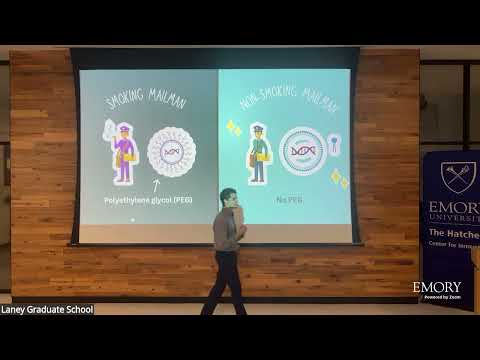
This research develops a novel PEG-free lipid nanoparticle for gene therapy. Unlike conventional nanoparticles, which trigger immune responses after repeated use, the new formulation remains stable without PEG and performs even better. The approach could enable safer repeat dosing, improve treatment effectiveness, and expand access to life-changing gene therapies.
This research develops an affordable, scalable platform for recording electrical activity from brain organoids. Using innovative basket-shaped sensors made from a low-cost conductive material, the system enables simultaneous recording from dozens of mini-brains, accelerating drug discovery and improving our understanding of brain diseases with more human-relevant laboratory models.
This research engineers DNA-modified exosomes to deliver drugs precisely to cancer cells while avoiding healthy tissue. By disguising natural cell-targeting signals and adding programmable DNA targeting molecules, the platform could reduce treatment side effects and provide a modular delivery system adaptable to many cancers and other diseases.
This research develops a rapid digital PCR workflow to quantify Salmonella contamination in chicken products. Unlike traditional yes-or-no testing, digital PCR measures bacterial levels directly, enabling faster and more accurate food safety decisions within eight hours. The work improves risk assessment, intervention strategies, and prevention of foodborne illness outbreaks.
This research investigates how SUMO protein labeling regulates DNA repair after damage caused by sunlight and other stresses. Using yeast as a model organism, the study shows that SUMO helps recruit and remove repair proteins at damaged DNA sites. Understanding these signaling mechanisms may improve cancer prevention and treatment strategies.
This research develops biodegradable “living” water filters grown from kombucha cellulose membranes. Unlike conventional plastic filters, these biofilters can self-defend against harmful microbes and self-repair when damaged. The work aims to create affordable, sustainable, and effective water filtration systems that reduce plastic waste while improving access to clean drinking water.
This research tackles low protein levels in Western Canadian soybeans. Using RNA sequencing, it identifies gene expression differences between eastern and western crops. The goal is to develop higher-protein soybean varieties suited to harsh climates, improving market competitiveness, supporting farmers, and strengthening sustainable agricultural systems across Canada.
This research explores endophytes—fungi living symbiotically within plants—that produce bioactive compounds aiding plant defense and growth. These compounds have led to major medical breakthroughs like antibiotics and immunosuppressants. Studying endophytes in crops may uncover new drugs and agricultural benefits, highlighting nature’s vast, largely untapped biochemical potential.
Pagination
- Page 1
- Next page