This research develops autonomous self-healing composite materials using multimaterial 3D printing. Inspired by biological healing, the technology combines polymers, electrical heaters and damage sensors to repair cracks automatically. Demonstrated across ten repeated healing cycles, the approach could extend the lifespan of bicycles, wind turbines, satellites and infrastructure while reducing waste.
Muhammed Muddasar investigates converting waste heat into electricity using lignin, a by-product of the paper and pulp industry. His research develops lignin-based membranes for heat-powered rechargeable batteries, potentially harvesting energy from body temperature differences. Applications include industrial Internet of Things sensors, wearable biomedical devices and sustainable energy technologies worldwide.
Cette recherche explore l'utilisation des résidus de bauxite, ou boues rouges, comme substitut aux matériaux routiers conventionnels au Québec. En conditionnant le résidu et en optimisant son incorporation dans l'asphalte, les travaux visent à réduire la dépendance aux granulats naturels, à réutiliser les déchets industriels, à diminuer les coûts et à prolonger la durée de vie des routes de six à dix ans.
This research explores using bauxite residue, or red mud, as a substitute for conventional road materials in Quebec. By conditioning the residue and optimising its incorporation into asphalt, the work aims to reduce reliance on natural aggregates, reuse industrial waste, lower costs, and extend road lifespan from six to ten years.
This research explores the untapped potential of locally produced Ontario wool. By processing raw fleece into textiles and studying the characteristics of different sheep breeds, the project highlights how valuable, sustainable materials are being wasted due to a lack of processing infrastructure and advocates for rebuilding local wool economies
This research develops biodegradable “living” water filters grown from kombucha cellulose membranes. Unlike conventional plastic filters, these biofilters can self-defend against harmful microbes and self-repair when damaged. The work aims to create affordable, sustainable, and effective water filtration systems that reduce plastic waste while improving access to clean drinking water.
This research develops a new chemical process for modifying cellulose while keeping it in water, overcoming longstanding compatibility problems between cellulose and oil-soluble molecules. The method enables cellulose to incorporate electronic and pharmaceutical components, opening pathways toward sustainable electronics, advanced materials, targeted medicines, and greener technologies based on renewable natural resources.
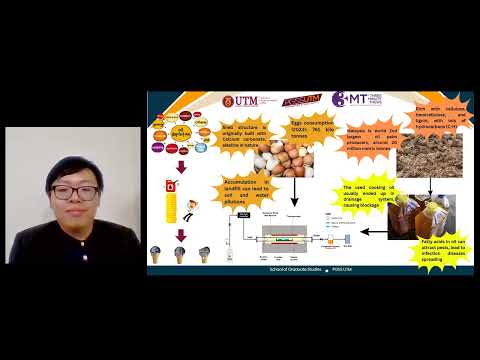
This research converts organic waste—empty fruit bunches, used cooking oil, and eggshells—into biofuel. Using eggshell-derived catalysts lowers energy requirements for pyrolysis, producing hydrocarbon-rich fuels. The approach addresses waste management while reducing reliance on fossil fuels, offering a sustainable and environmentally friendly alternative energy solution.
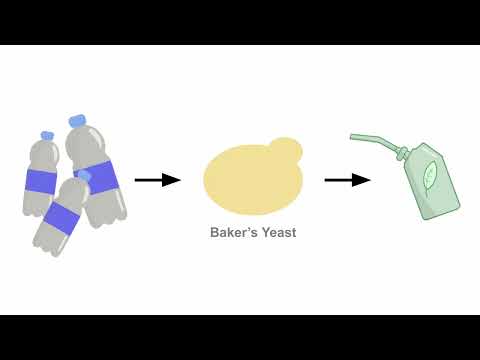
This research engineers yeast to convert PET plastic waste into valuable chemicals like PCA, enabling the production of biofuels, pharmaceuticals, and biodegradable materials. By transforming low-value plastic into high-value products, it offers a scalable biotechnological solution to reduce pollution and support the transition to sustainable, circular economies.
This research transforms human urine into sustainable fertilizer using solar-powered systems that recover nutrients like nitrogen, phosphorus, and potassium. By turning toilets into decentralized fertilizer factories, the approach improves sanitation, reduces reliance on energy-intensive production, and provides affordable fertilizers to underserved farmers, supporting both environmental sustainability and economic development.
This research addresses the trade-off between sustainability and performance in plastics. By developing a “molecular spring” derived from biomass, the work strengthens biodegradable materials like PLA and enables multifunctional bioplastics. The goal is to create durable, convenient, and sustainable alternatives that support a circular economy without sacrificing everyday usability.
Pagination
- Page 1
- Next page