This research develops pH-responsive biomaterials to deliver chemotherapy directly to glioblastoma cells in the brain. By releasing drugs in the presence of cancer while remaining closed around healthy tissue, the approach aims to improve treatment effectiveness, reduce harmful side effects, and ultimately enhance patients’ quality of life and survival.

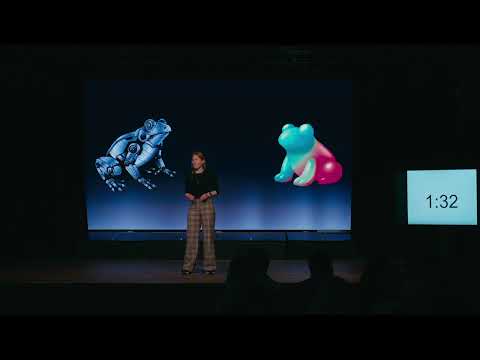
This research develops programmable active materials that function like soft robots without electronics or external control systems. Using 3D-printed liquid crystal elastomers, the work engineers materials that sense temperature and autonomously deform, fold, and locomote, demonstrating how microscopic material structure can be programmed to produce complex robotic behavior.
This research develops a new chemical process for modifying cellulose while keeping it in water, overcoming longstanding compatibility problems between cellulose and oil-soluble molecules. The method enables cellulose to incorporate electronic and pharmaceutical components, opening pathways toward sustainable electronics, advanced materials, targeted medicines, and greener technologies based on renewable natural resources.
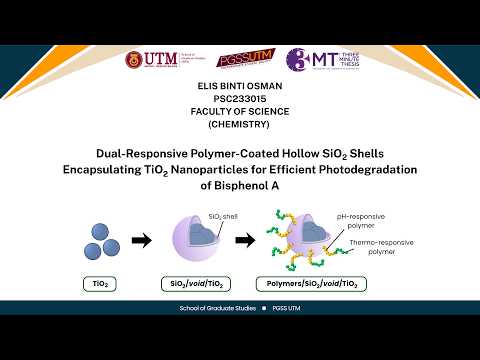
This research tackles removal of Bisphenol A from water using light-activated materials. By combining titania with a silica shell and a responsive polymer “gate,” the system adapts to changing conditions like pH and temperature, improving pollutant breakdown under visible light and enabling smarter, more efficient water purification.
This research develops soft robots using liquid crystal elastomers that act as artificial muscles. By designing materials at the molecular level and 3D printing them into responsive structures, researchers can create flexible robots that move like animals. These soft robots could navigate tight spaces during search-and-rescue missions after disasters.