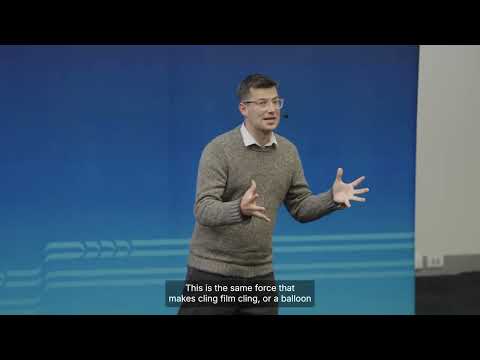
This research develops electrostatic artificial muscles for underwater robots inspired by the movement of fish and sharks. Unlike noisy propeller-driven systems, these soft actuators enable quieter, more efficient swimming that minimises disturbance to marine ecosystems, offering a promising alternative for environmental monitoring, reef surveys, and underwater infrastructure inspection.
This research investigates how cicadas generate extraordinary suction to feed on water inside plant xylem under extreme negative pressure. Using fluid measurements and micro-CT imaging, it uncovers the insect's unique pumping mechanism, offering insights into plant hydraulics while inspiring new designs for miniature medical pumps and microfluidic technologies.
This research develops bio-inspired autonomous underwater vehicles by combining evolutionary simulation with physical prototype testing. Optimising swimmer shape and motion through an iterative feedback loop enables more energy-efficient AUVs capable of long-range ocean monitoring, supporting environmental observation, infrastructure inspection, and maritime surveillance across Canada's vast marine environments.