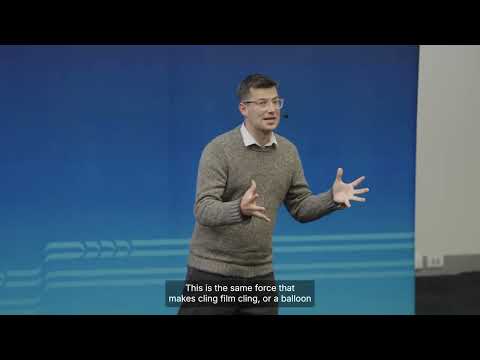
This research develops electrostatic artificial muscles for underwater robots inspired by the movement of fish and sharks. Unlike noisy propeller-driven systems, these soft actuators enable quieter, more efficient swimming that minimises disturbance to marine ecosystems, offering a promising alternative for environmental monitoring, reef surveys, and underwater infrastructure inspection.
This research develops bio-inspired autonomous underwater vehicles by combining evolutionary simulation with physical prototype testing. Optimising swimmer shape and motion through an iterative feedback loop enables more energy-efficient AUVs capable of long-range ocean monitoring, supporting environmental observation, infrastructure inspection, and maritime surveillance across Canada's vast marine environments.