This research applies large language models to decode and design proteins by treating amino acid sequences as biological languages. By identifying hidden structural and functional patterns across massive protein datasets, the work enables creation of novel proteins for medicine, cancer therapy, carbon capture, and environmental remediation beyond naturally evolved biological systems.
This research investigates whether activation of the sympathetic nervous system can enhance tissue regeneration. Using engineered neural switches in mice, the study demonstrated improved healing after ear injury, including growth of nerves, blood vessels, and cartilage. The findings suggest that nervous system regulation may play an important role in future regenerative medicine therapies.
This research develops biodegradable “living” water filters grown from kombucha cellulose membranes. Unlike conventional plastic filters, these biofilters can self-defend against harmful microbes and self-repair when damaged. The work aims to create affordable, sustainable, and effective water filtration systems that reduce plastic waste while improving access to clean drinking water.
This research develops synthetic genetic circuits that automatically alternate CAR T-cell activity between active cancer killing and recovery states. By preventing immune-cell exhaustion, these circuits could improve cancer immunotherapy effectiveness. The work also suggests broader biomedical applications where controlled cycling of gene activity may enhance treatment safety, longevity, and therapeutic performance.
This research tackles low protein levels in Western Canadian soybeans. Using RNA sequencing, it identifies gene expression differences between eastern and western crops. The goal is to develop higher-protein soybean varieties suited to harsh climates, improving market competitiveness, supporting farmers, and strengthening sustainable agricultural systems across Canada.
This research explores endophytes—fungi living symbiotically within plants—that produce bioactive compounds aiding plant defense and growth. These compounds have led to major medical breakthroughs like antibiotics and immunosuppressants. Studying endophytes in crops may uncover new drugs and agricultural benefits, highlighting nature’s vast, largely untapped biochemical potential.
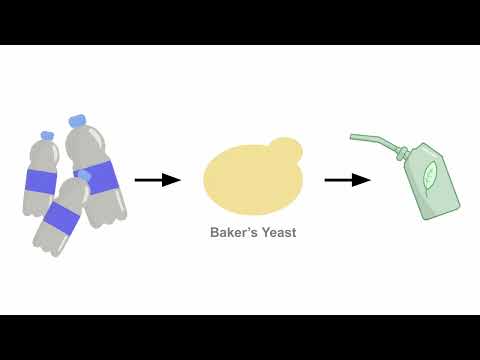
This research engineers yeast to convert PET plastic waste into valuable chemicals like PCA, enabling the production of biofuels, pharmaceuticals, and biodegradable materials. By transforming low-value plastic into high-value products, it offers a scalable biotechnological solution to reduce pollution and support the transition to sustainable, circular economies.
Pagination
- Page 1
- Next page