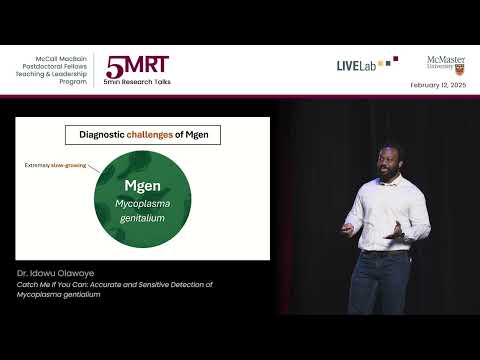
This research develops rapid, low-cost diagnostics for Mycoplasma genitalium, a difficult-to-detect, drug-resistant STI. By replacing PCR with LAMP-based methods, it enables faster, accessible testing using minimal equipment and visual readouts. The approach aims to improve early detection, treatment, and health equity, particularly in low-resource settings facing rising infection rates.

2025
This research develops an affordable, rapid genetic testing system to personalize antidepressant treatment. By detecting DNA mutations that affect drug metabolism, the technology helps doctors prescribe the right medication for each patient. The goal is to reduce ineffective treatments and improve mental health care—especially for veterans struggling with PTSD and depression.
2025
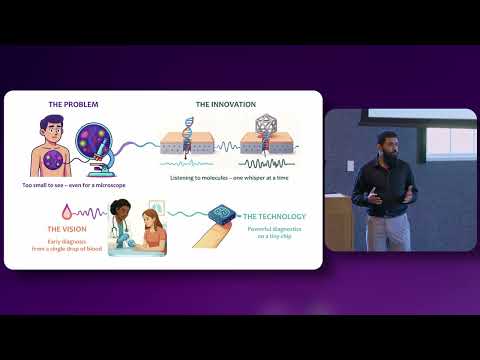
This research develops DNA-origami-enhanced nanopores to detect individual biomolecules from a single drop of blood. By slowing molecules and reading their electrical signatures with machine learning, the technology enables rapid, ultra-early disease diagnosis without traditional laboratory testing.