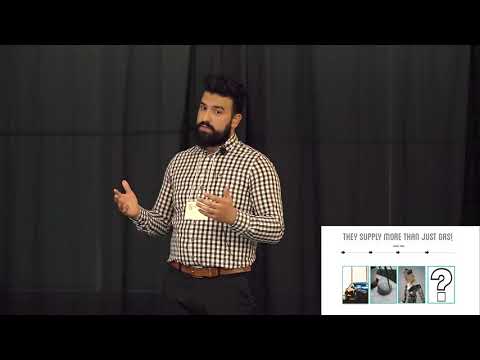
This research tackles low protein levels in Western Canadian soybeans. Using RNA sequencing, it identifies gene expression differences between eastern and western crops. The goal is to develop higher-protein soybean varieties suited to harsh climates, improving market competitiveness, supporting farmers, and strengthening sustainable agricultural systems across Canada.
This research improves phosphorus use efficiency in canola by identifying plant traits that unlock soil-bound nutrients. By screening varieties and targeting genetic markers, it aims to breed crops that reduce fertilizer dependence, lower costs, and minimise environmental impact, contributing to more sustainable and resilient agricultural systems.
2025
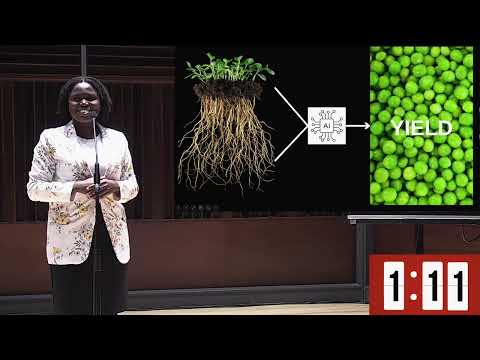
My research uses field images to predict crop yield, leveraging machine learning techniques to extract patterns and features correlating yield. These features include plant health indicators, growth stages, or canopy coverage. I am particularly interested in using these features to develop models that improve the accuracy of yield prediction, helping farmers make data-driven decisions. My approach considers temporal changes in the crop, capturing how its characteristics evolve. My work contributes to precision agriculture, a field that seeks to optimize resource use, increase productivity, and promote sustainability in farming. My research has the potential to transform traditional agricultural practices by integrating advanced AI methods.
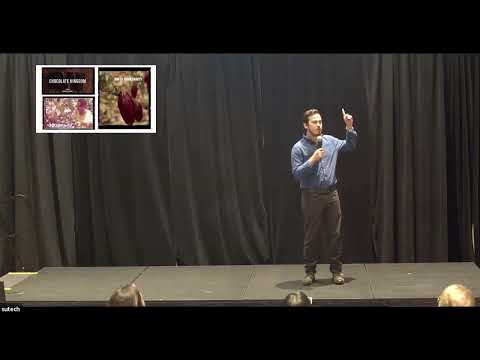
Chocolate production is declining due to climate change and disease, threatening global supply. Ecuador’s cacao variety CCN-51, created by Omero Castro Zurita in 1965, offers a disease-resistant, high-yield solution. This MFA documentary project highlights his overlooked legacy and investigates whether CCN-51 can sustainably address the global cocoa shortage.

The research promotes interseeding—planting cover crops alongside cash crops—to help farmers in short-season climates protect soil, retain nutrients, and boost resilience. By identifying optimal planting times, crop mixes, and methods, the work dispels myths about competition and shows that interseeding can improve yields and soil health without compromising crop quality.