This research improves phosphorus use efficiency in canola by identifying plant traits that unlock soil-bound nutrients. By screening varieties and targeting genetic markers, it aims to breed crops that reduce fertilizer dependence, lower costs, and minimise environmental impact, contributing to more sustainable and resilient agricultural systems.
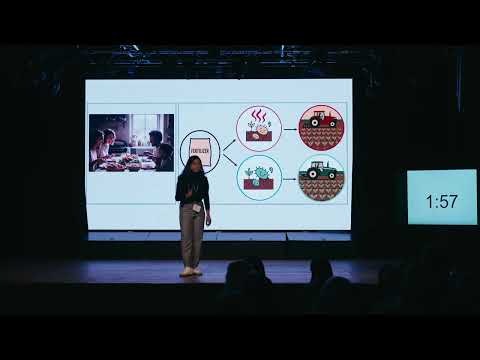
Agricultural fertilizers help increase food production but also release nitrous oxide, a greenhouse gas nearly 300 times more potent than carbon dioxide. This research investigates conservation agriculture practices that support beneficial soil microbes capable of reducing these emissions, enabling sustainable food production while limiting agriculture’s contribution to climate change.

2025
This research tackles nitrous oxide emissions from agricultural soils, a major driver of global warming. By modifying manure application practices—mixing manure into soil or adding biochar—the study enhances soil microbes that consume nitrous oxide, reducing emissions by 60–70% through improved microbial balance and reduced gas escape.