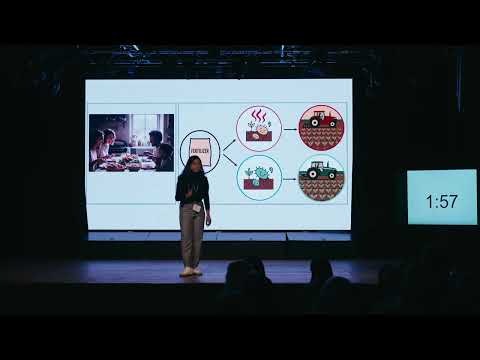
Agricultural fertilizers help increase food production but also release nitrous oxide, a greenhouse gas nearly 300 times more potent than carbon dioxide. This research investigates conservation agriculture practices that support beneficial soil microbes capable of reducing these emissions, enabling sustainable food production while limiting agriculture’s contribution to climate change.