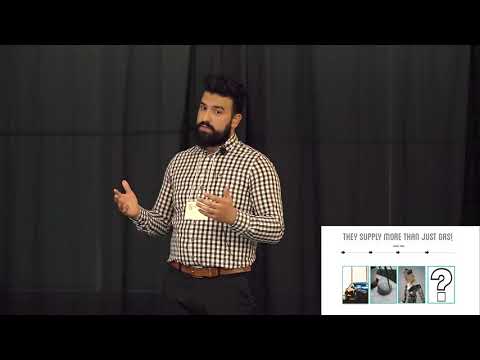
This research tackles low protein levels in Western Canadian soybeans. Using RNA sequencing, it identifies gene expression differences between eastern and western crops. The goal is to develop higher-protein soybean varieties suited to harsh climates, improving market competitiveness, supporting farmers, and strengthening sustainable agricultural systems across Canada.
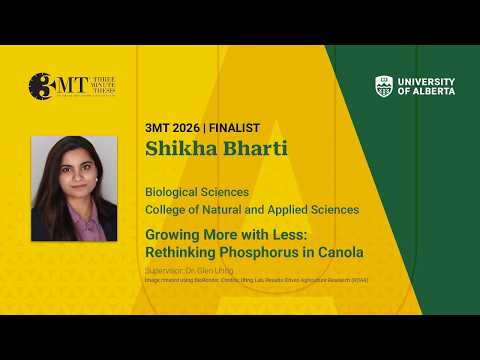
This research improves phosphorus use efficiency in canola by identifying plant traits that unlock soil-bound nutrients. By screening varieties and targeting genetic markers, it aims to breed crops that reduce fertilizer dependence, lower costs, and minimise environmental impact, contributing to more sustainable and resilient agricultural systems.
2025
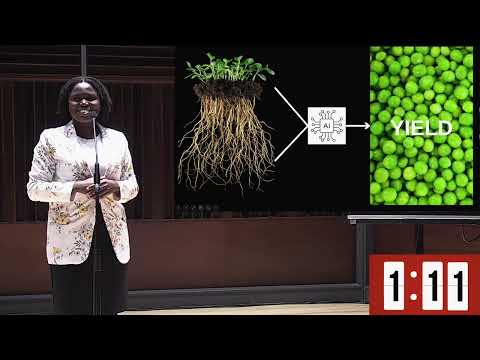
My research uses field images to predict crop yield, leveraging machine learning techniques to extract patterns and features correlating yield. These features include plant health indicators, growth stages, or canopy coverage. I am particularly interested in using these features to develop models that improve the accuracy of yield prediction, helping farmers make data-driven decisions. My approach considers temporal changes in the crop, capturing how its characteristics evolve. My work contributes to precision agriculture, a field that seeks to optimize resource use, increase productivity, and promote sustainability in farming. My research has the potential to transform traditional agricultural practices by integrating advanced AI methods.

Gray mold in strawberries is increasingly resistant to fungicides due to genetic mutations. This research identifies resistance levels by testing pathogen samples in the lab, allowing growers to choose effective treatments. Ongoing work analyzes resistance trends and integrates DNA tools to optimize spray programs and reduce waste, ensuring healthier harvests.