
This research develops hybrid lipo-polymeric nanoparticles that overcome major limitations of current mRNA vaccine technology. The particles can be freeze-dried, rapidly loaded with mRNA, and simultaneously deliver therapeutic drugs. Their flexibility improves vaccine storage and distribution while enabling powerful combination therapies, including enhanced cancer treatments with improved survival in preclinical models.
This research engineers DNA-modified exosomes to deliver drugs precisely to cancer cells while avoiding healthy tissue. By disguising natural cell-targeting signals and adding programmable DNA targeting molecules, the platform could reduce treatment side effects and provide a modular delivery system adaptable to many cancers and other diseases.

This research uses a high-throughput screening platform called EpiScan to identify HIV peptides that bind strongly to MHC molecules and appear on infected cell surfaces. By discovering these immune-visible targets, the work aims to improve detection and elimination of hidden HIV reservoirs, supporting the development of future HIV therapies.
2026
This research investigates how cells select which protein fragments, or peptides, to display to the immune system. Contrary to previous assumptions, peptide presentation appears highly curated rather than random. Understanding these selection rules could improve cancer immunotherapy, enhance antiviral treatments, and provide new insights into autoimmune diseases.

This research uses spatial transcriptomics to map interactions between T cells, cancer cells, and immunosuppressive cells in tumours. Findings suggest cancer suppresses immune responses by surrounding and weakening T cells. The work aims to improve immunotherapy and enable personalised cancer treatment through detailed tumour mapping.
2023
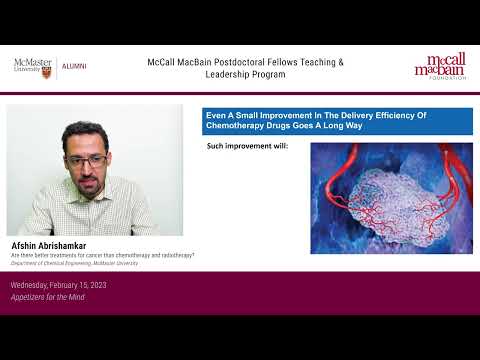
his talk outlines the scale of cancer in Canada and argues that traditional chemotherapy, while important, is limited by toxicity, discomfort, and poor tumor targeting. It highlights promising newer approaches including nanoparticle drug delivery, liposomal therapies, complex nanotherapies with imaging and heat generation, and future possibilities such as cancer vaccines.

Pancreatic ductal adenocarcinoma resists immunotherapy by building an immune-suppressive tumor fortress. This research explores how specific bacteria found in long-term survivors may reshape the tumor microenvironment, enhance immune checkpoint therapy, and help immune cells overcome suppression to attack pancreatic cancer more effectively.
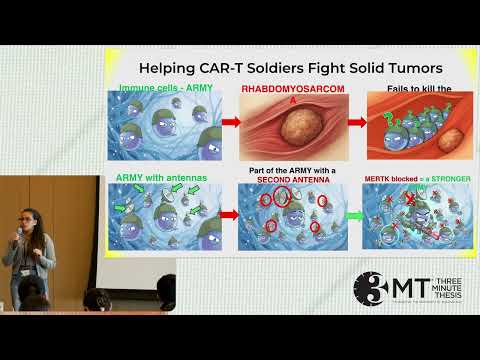
Rhabdomyosarcoma is a rare and aggressive childhood cancer that resists many treatments. This research investigates CAR T-cell therapy for solid tumors, focusing on blocking a secondary inhibitory receptor. Early findings suggest reduced immune cell exhaustion and improved tumor killing, offering hope for more effective therapies for children with limited treatment options.
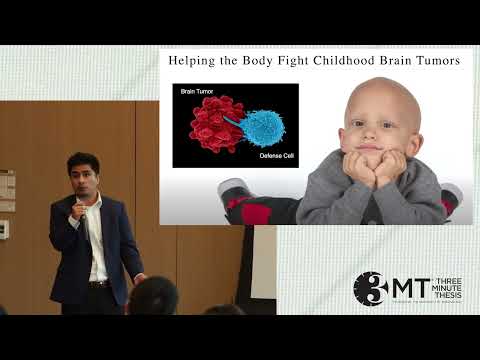
Pediatric brain tumors are the leading cause of cancer-related death in children, and current treatments are often insufficient. This research explores harnessing the immune system, particularly macrophages, to fight these tumors. Using advanced imaging and engineered immune cells, the work aims to improve tumor clearance and develop new therapeutic strategies.
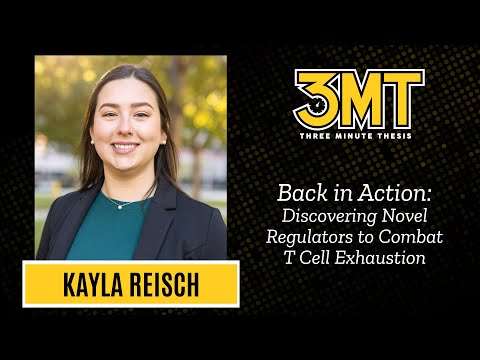
Chronic diseases exhaust the body’s CD8 T cells, weakening their ability to fight infections and cancer. This research identifies CD7 as a key driver of T-cell exhaustion. Removing CD7 keeps T cells active, boosts cytokine production, and improves control of tumors and viruses—offering a promising new immunotherapy target.