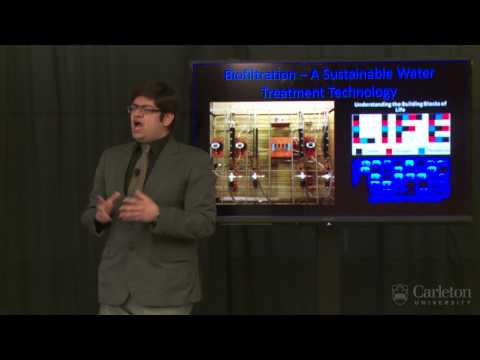
This research explores biofiltration as a sustainable alternative to chemical water treatment. By supplying bacteria with nutrients like nitrogen and phosphorus, it improves removal of harmful organic matter. Results show a 20% efficiency increase, reducing chemical use and risks, and offering a cost-effective solution for safe drinking water worldwide.
This research develops sustainable solid biofuels using organic waste instead of food crops. By recycling water and catalysts in a high-temperature process, it reduces energy consumption and improves fuel quality. The work addresses key challenges of feedstock and efficiency, advancing environmentally friendly alternatives for heating, power generation, and industry.
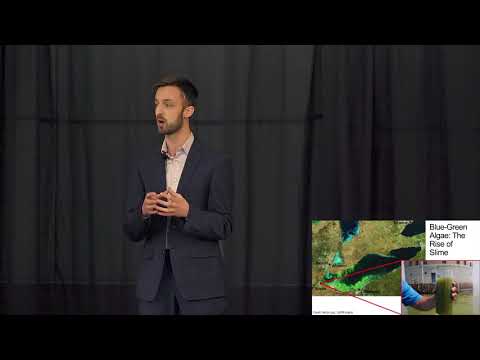
This research tackles harmful cyanobacteria blooms that threaten drinking water. Using ceramic membrane filtration, it prevents toxin release by retaining intact cells. Improved cleaning methods with eco-friendly chemicals enhance membrane efficiency and longevity. The work aims to ensure safe water treatment as climate change increases the frequency and severity of algal blooms.
This research examines whether stormwater management ponds support bird biodiversity as effectively as natural wetlands. Focusing on red-winged blackbirds, it compares habitat quality and ecological drivers of species diversity. With widespread wetland loss, findings aim to improve pond design and retrofitting to better support wildlife within urban environments.
This research uses a traffic analogy to explain gas transport challenges in carbon dioxide electrolysis devices. Despite identical porosity, microstructural connectivity determines performance under flooding conditions. Computational modelling reveals how pathway structure affects efficiency, guiding design improvements that enhance CO₂ conversion into fuels and chemicals, supporting scalable and cleaner energy technologies.
This research improves biofuel production from sewage sludge by enhancing cellulose degradation. By isolating and reintroducing naturally occurring bacteria and fungi, sludge treatment efficiency and methane yield increase. The approach reduces waste, supports renewable energy generation, and contributes to replacing fossil fuels with sustainable alternatives.
Lead contamination in drinking water threatens millions. This research combines physics-based pipe models with machine learning to identify lead pipes using vibration data. Generating thousands of simulated signals enabled a classifier with 99% accuracy, offering a noninvasive, cost-effective method to locate hidden lead pipes and support safer water infrastructure worldwide.
This research presents a simple, low-energy method to remove and destroy PFAS “forever chemicals” from water. By chemically transforming PFAS to behave less like soap, over 98% can be separated and fully degraded, offering a scalable and environmentally friendly solution to widespread drinking water contamination.
Pagination
- Page 1
- Next page