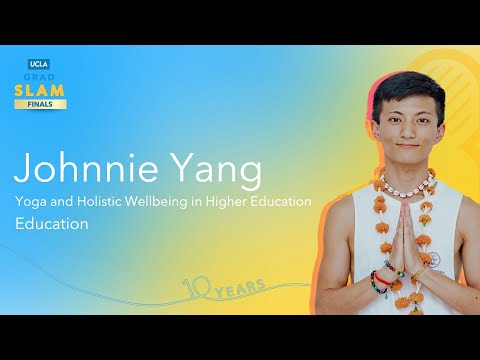
This research examines whether integrating yoga into university curricula can improve student well-being and academic success. Through a credit-bearing freshman seminar combining yoga practice, meditation, and coursework, the study evaluates changes in holistic well-being and academic performance, aiming to address the growing mental and physical health challenges facing students.
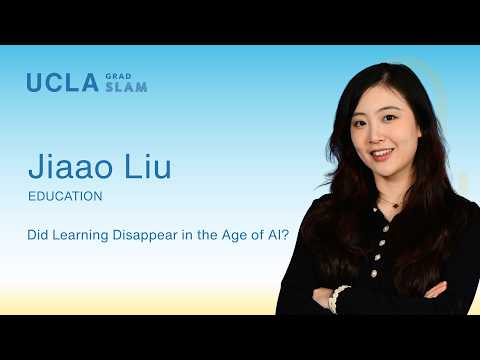
This research examines how multilingual college students use AI writing tools and whether these tools support or hinder learning. The findings suggest that learning outcomes depend on how AI is used. When employed as a scaffold for feedback and reflection rather than a shortcut, AI can enhance writing development and critical thinking.
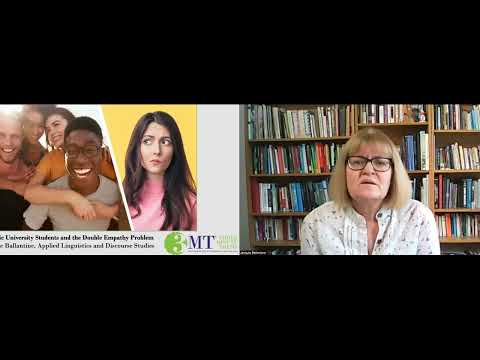
This research explores autistic university students’ experiences navigating sensory challenges and communication differences on campus. It highlights the “double empathy problem,” where misunderstandings occur between autistic and non-autistic individuals. Using applied linguistics, the study argues that mutual understanding is essential to ensure equitable access to education and improve student well-being and inclusion.
This research highlights high stress levels in creative industries and examines gaps in post-secondary curricula. By analysing course content through project management theory, it identifies missing focus on risk, conflict, and change management. Integrating these skills could foster healthier, more sustainable work environments for future creative professionals across sectors.
This research explores international students as cultural ambassadors and examines how educational exchange programmes generate soft power. Using interviews with British and Taiwanese students, it analyses how study abroad experiences shape perceptions, strengthen UK–Taiwan relations, and support diplomacy by fostering mutual understanding, goodwill, and long-term international cooperation.
This study demonstrates a strong relationship between social skills and academic performance among university students. Surveying 107 students, it finds that empathy, assertiveness, teamwork, and problem-solving significantly support academic success. Dynamic, technology-enhanced, and democratic teaching environments foster both intellectual and emotional development.
This research shows that pedagogical innovation significantly enhances university students’ socio-emotional development. Surveying 156 engineering students, it finds that active, inclusive, and technology-enhanced teaching explains nearly two-thirds of emotional skill development. Human-centered innovation deepens learning and fosters empathy, resilience, and well-being.
This research explores how displacement and silence shape the identities of adult children of Central American immigrants. Through interviews, it examines fragmented senses of self and links displacement-related grief to lower college belonging and retention, arguing for curricular, mentoring, and community-based interventions in higher education.
Pagination
- Page 1
- Next page