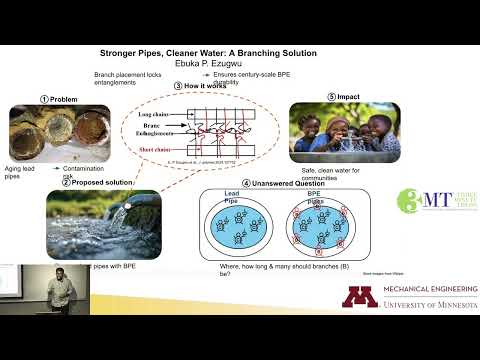
Millions of U.S. homes still rely on lead pipes, prompting a shift toward bimodal polyethylene replacements. This research examines how molecular branching affects pipe durability under chlorinated conditions. Using accelerated aging tests, it links polymer structure to long-term performance, guiding the design of safer, longer-lasting water pipes for future infrastructure.
Lead contamination in drinking water threatens millions. This research combines physics-based pipe models with machine learning to identify lead pipes using vibration data. Generating thousands of simulated signals enabled a classifier with 99% accuracy, offering a noninvasive, cost-effective method to locate hidden lead pipes and support safer water infrastructure worldwide.

This research shows that genetic risk scores alone are insufficient for predicting chronic disease. By incorporating social and environmental factors using machine learning, disease prediction improves substantially, especially for disadvantaged populations. Integrating genetic and social risk is essential for equitable, effective personalized medicine.

This research explores how mast cells—immune cells responsible for allergy symptoms—can be repurposed to strengthen vaccines. By targeting mast cells with nasal vaccines, stronger and longer-lasting immune responses may be generated, particularly benefiting high-risk populations and improving protection against infectious diseases.

This research examines whether reducing food insecurity increases physical activity among adults with high blood pressure. Using clinical trial data and interviews, it finds that coaching, physical function, and food access shape activity levels. Addressing food insecurity and physical activity together is essential for promoting equitable, heart-healthy lifestyles.
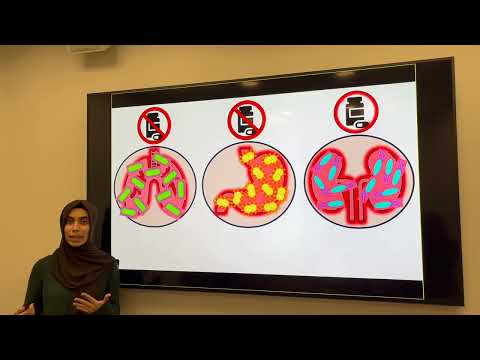
This research investigates how bacteria develop resistance to antibiotics, a growing global health threat. By identifying resistant bacteria and analysing how they chemically modify antibiotics, the work aims to uncover resistance mechanisms. These insights are essential for preserving antibiotic effectiveness and safeguarding treatments against life-threatening infections.
This research investigates COVID-19 stigma among survivors in Nepal during the pandemic. It found that one-quarter experienced discrimination, social exclusion, and psychological distress. Misinformation, weak health-system preparedness, and lack of public trust fuelled stigma. The study argues that future pandemic preparedness must address social stigma alongside healthcare capacity.
2026
This research investigates how microplastics and nanoplastics affect human cells. Using laboratory models that mimic the digestive system, it examines how particle size and concentration influence toxicity. The findings show that smaller particles are more harmful, providing evidence that can inform safety regulations and reduce human exposure to plastic pollution.

Using longitudinal data from 30,000 South Korean children, this study shows that child abuse significantly increases suicidal thoughts, especially with prolonged exposure. Crucially, strong social connections—such as team sports, supportive teachers, and caring neighbors—dramatically reduce this risk, highlighting social interaction as a key source of resilience.
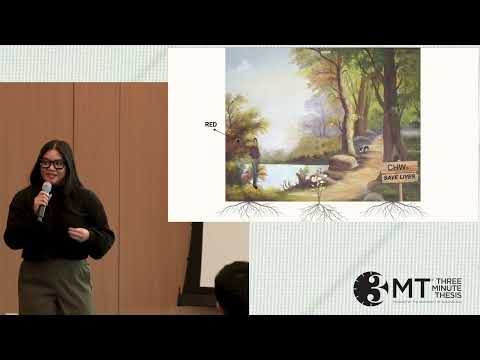
Community health workers help marginalized communities navigate complex health systems but face burnout, low pay, and limited recognition. Through interviews across Colorado, this research reveals how systemic inequities affect CHWs and offers worker-driven recommendations to strengthen programs, policies, and workforce sustainability.