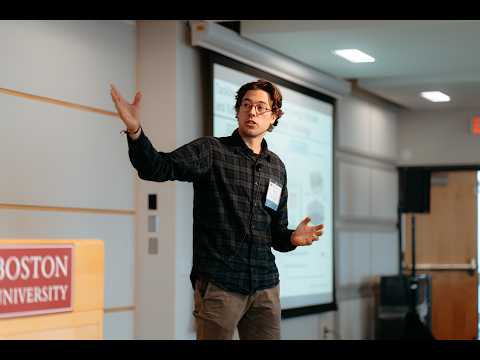
This research develops a low-temperature carbon-capture material that uses waste heat from solar panels to release captured CO₂. By reducing energy requirements from hundreds of degrees to just 70°C, the technology offers a more sustainable, scalable, and grid-independent approach to carbon capture and long-term climate-change mitigation.

This research develops an Indigenous-informed video game that teaches environmental stewardship through reciprocal relationships with the land. Drawing on community knowledge and storytelling, the game challenges extractive, colonial approaches common in popular games by making ecological balance, listening, and responsibility essential for survival and success.
This research explores the untapped potential of locally produced Ontario wool. By processing raw fleece into textiles and studying the characteristics of different sheep breeds, the project highlights how valuable, sustainable materials are being wasted due to a lack of processing infrastructure and advocates for rebuilding local wool economies
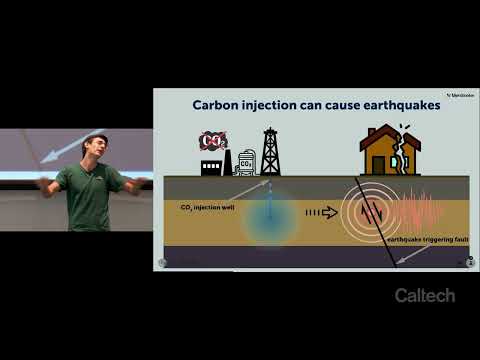
This research investigates earthquake risks associated with underground carbon dioxide storage. By studying seismic activity at the Decatur CO2 storage project, the work improves predictive geological models that account for hidden subsurface structures. The findings aim to make large-scale carbon storage safer, protecting both the climate and nearby communities.
2025
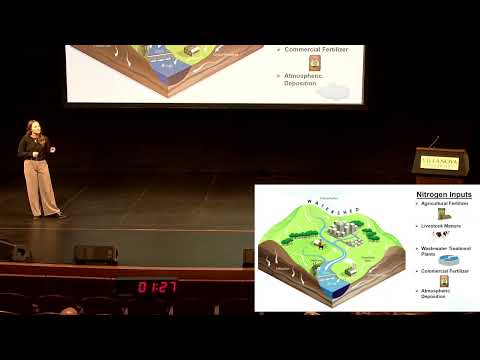
This study investigates how streams retain “memory” of nitrogen pollution from past land use. Using long-term data, it identifies a 3–5 year lag between nitrogen inputs and water quality impacts. It highlights the role of forests as natural filters and emphasizes managing both current and historical pollution to protect water supplies.
2026
Road salt, widely used for winter safety, contaminates waterways and drinking supplies by increasing sodium and chloride levels. This year-long study of Pennsylvania watersheds found consistent exceedances of EPA guidelines, posing risks to human health and aquatic ecosystems. The research highlights the need to reduce salt use and adopt more sustainable deicing practices.
2015
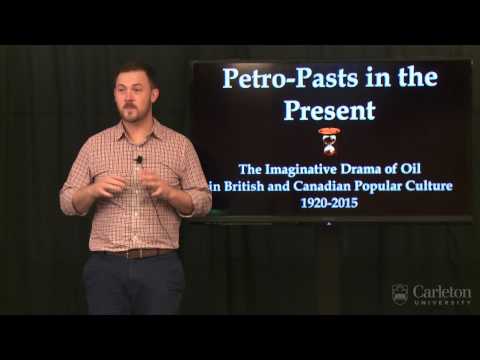
This research examines how historical narratives about oil shape modern energy debates. By analyzing Britain’s early embrace of oil, it reveals how simplified, polarized storytelling obscures complex realities. Understanding these patterns can help Canadians engage more thoughtfully with current energy challenges and make better-informed decisions about future energy systems.
2024
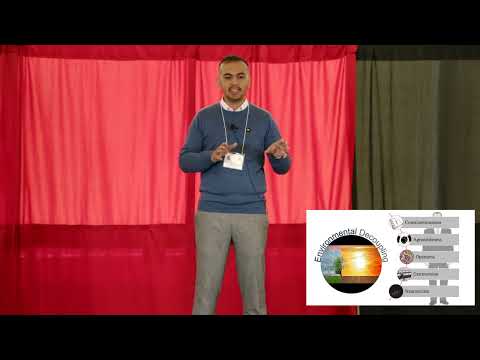
This research examines how CEO personality influences environmental decoupling, where companies misalign environmental claims and actions. Using the Big Five framework and machine learning on CEO communications, it identifies traits linked to such behavior. Findings aim to improve corporate governance by helping stakeholders select leaders committed to genuine sustainability.
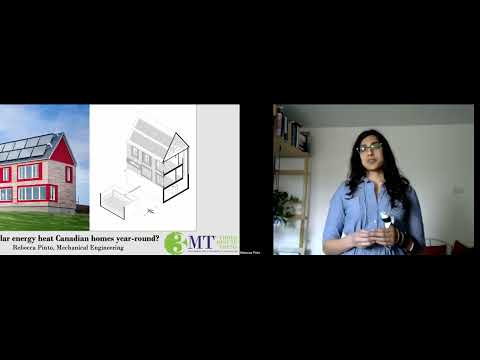
This research explores using solar energy to heat Canadian homes year-round by storing summer heat for winter use. A novel system uses a sand-based thermal battery beneath a house to retain heat. The work aims to reduce fossil fuel dependence and cut emissions from residential heating, a major contributor to Canada’s greenhouse gases.
This research examines how hydropeaking dams cause fish stranding due to rapid flow changes. Using camera monitoring and modeling, it identifies environmental factors like substrate type and seasonal fish abundance that increase risk. The work highlights the need to balance renewable energy production with ecological sustainability in freshwater systems.