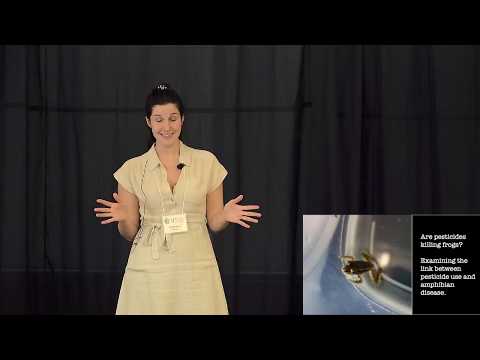
This research examines how neonicotinoid pesticides affect frog immune systems, contributing to amphibian decline. Since frogs naturally control mosquito populations, their loss may increase the spread of diseases like malaria. The study aims to inform regulatory policies by linking pesticide exposure to weakened immunity, disease susceptibility, and broader public health risks.

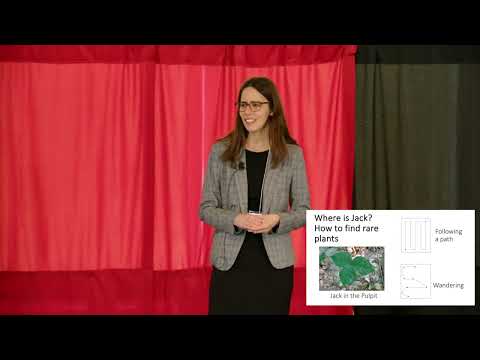
This study compares systematic versus exploratory search strategies for locating rare plants. Surprisingly, both methods performed equally, with low detection overall. Challenges such as navigation difficulty and multitasking may explain the results. The findings highlight the need for improved search methods to better identify and protect rare, threatened plant species.

This research examines how hydropeaking dams cause fish stranding due to rapid flow changes. Using camera monitoring and modeling, it identifies environmental factors like substrate type and seasonal fish abundance that increase risk. The work highlights the need to balance renewable energy production with ecological sustainability in freshwater systems.

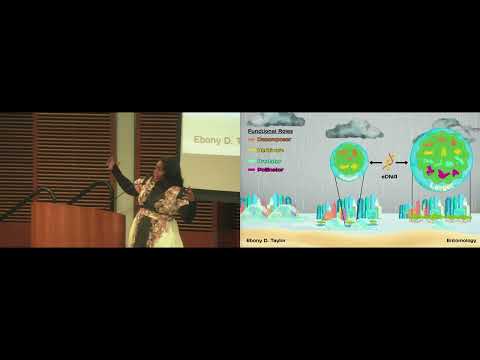
This research investigates whether small mangrove patches can effectively protect coastal areas from hurricanes. Using insect biodiversity and environmental DNA, it evaluates ecosystem functionality across patch sizes. The goal is to identify the minimum viable size for resilient mangrove systems, informing urban planning and improving coastal protection in space-limited environments.

This study documented wild edible plant diversity and traditional knowledge in northern Ethiopia. Forty species were identified, mainly trees and shrubs. Knowledge varied by gender, age, and occupation, with key informants showing greater expertise. Wild plants provide critical seasonal food security but face threats from deforestation, agriculture, and overgrazing.

Australia’s wildlife is hard to count due to difficult terrain and vast landscapes. This research uses remote sensing—camera traps, audio recorders, drones, and satellites—combined with AI and mathematical models to understand animal presence, habitat choices, and detectability. The goal is faster, more accurate population monitoring to guide conservation.

The Mississippi River relies on dams for commercial navigation, but these structures block fish migration and damage ecosystems and local fishing economies. This research uses hydrodynamic modelling to test fish-passage designs, such as bypass channels, showing how they can reconnect habitats, support biodiversity, and allow economic and ecological goals to coexist.

Feathers and blood preserve detailed biological records of Tītī stress, diet, and environment across both New Zealand and the North Pacific. By analysing hormones and stable isotopes in modern and historical samples, this research reveals how climate change affects Tītī populations and identifies which groups are most vulnerable, guiding future conservation efforts.

Antifreeze chemicals are toxic. This research tests new ice-recrystallization inhibitors that enter embryos easily, cause minimal developmental effects, and prevent damaging ice-crystal growth. These findings could enable long-term genetic preservation and support future ecosystem restoration.

My research uses artificial intelligence to detect water pollution by analysing DNA traces left by aquatic species. Instead of relying on visual signs or costly expert identification, supervised machine learning reads species patterns to determine water quality. The method is faster, cheaper, and more accurate than traditional analysis.