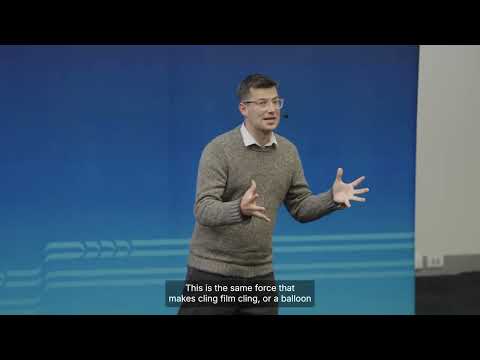
This research develops electrostatic artificial muscles for underwater robots inspired by the movement of fish and sharks. Unlike noisy propeller-driven systems, these soft actuators enable quieter, more efficient swimming that minimises disturbance to marine ecosystems, offering a promising alternative for environmental monitoring, reef surveys, and underwater infrastructure inspection.

2026
This research examines how different sea turtle species uniquely shape marine ecosystems through their feeding behaviors. Studying green, loggerhead, and Kemp’s ridley turtles along Florida’s Gulf Coast, the work reveals species-specific ecological functions involving seagrass grazing, sediment mixing, and food web interactions that contribute to ecosystem resilience and coastal conservation.
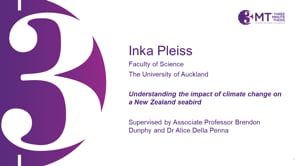
Feathers and blood preserve detailed biological records of Tītī stress, diet, and environment across both New Zealand and the North Pacific. By analysing hormones and stable isotopes in modern and historical samples, this research reveals how climate change affects Tītī populations and identifies which groups are most vulnerable, guiding future conservation efforts.