
This research investigates the safety of hydrogen vehicles and refuelling infrastructure using advanced computer simulations of fires and explosions. Findings suggest protective barriers can reduce blast pressures by 60–90%. The work provides evidence for future safety standards, helping enable wider adoption of hydrogen transportation while protecting people, property, and communities.

This research develops a co-design optimization framework for microgrids that simultaneously designs physical infrastructure and control systems. By improving both reliability and cost-effectiveness, it enables more resilient renewable energy networks, supports upgrades to existing microgrids, and helps communities maintain electricity during extreme weather events and grid failures.

This research develops a seawater-compatible electrolyzer that uses state-of-the-art materials with an integrated deionization layer powered by waste heat. The system enables efficient hydrogen production from seawater, supporting portable refueling stations for hydrogen-powered marine UAVs and advancing clean, sustainable energy for offshore operations.
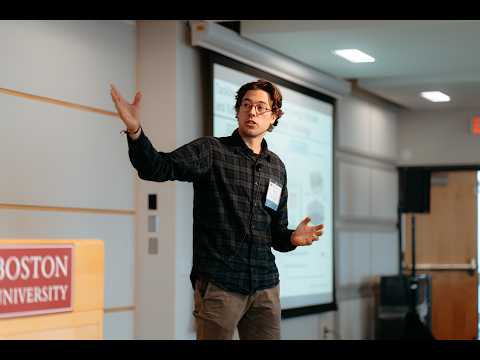
This research develops a low-temperature carbon-capture material that uses waste heat from solar panels to release captured CO₂. By reducing energy requirements from hundreds of degrees to just 70°C, the technology offers a more sustainable, scalable, and grid-independent approach to carbon capture and long-term climate-change mitigation.

2026
This research uses computational photography and machine learning to monitor electricity quality through the flickering patterns of everyday lights. By analyzing images captured in cities such as Kampala and Nairobi, the work offers a low-cost method for measuring voltage instability and improving power-grid planning in underserved communities lacking reliable electricity infrastructure.

2026
This research explores converting CO₂ into fuel by designing surfaces that promote carbon–carbon bonding. Using porous materials to concentrate CO₂, it increases reaction efficiency and enables formation of longer hydrocarbon chains. This approach could transform atmospheric carbon into usable fuels, offering a sustainable pathway for future energy production.

This research explores tidal energy as a reliable renewable source using digital twin technology. By simulating tidal farms in the Long Island Sound, it evaluates performance and environmental impacts before construction. The approach enables efficient, fish-friendly energy design, offering a scalable solution for sustainable ocean-based power generation worldwide.
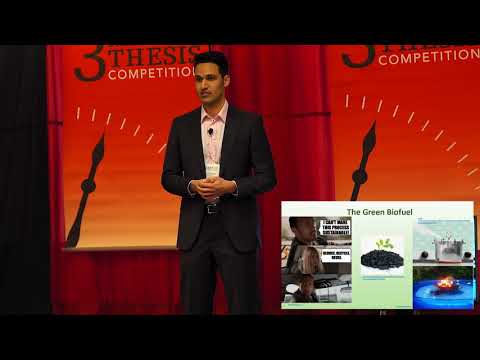
This research develops sustainable solid biofuels using organic waste instead of food crops. By recycling water and catalysts in a high-temperature process, it reduces energy consumption and improves fuel quality. The work addresses key challenges of feedstock and efficiency, advancing environmentally friendly alternatives for heating, power generation, and industry.

This research explores using solar energy to heat Canadian homes year-round by storing summer heat for winter use. A novel system uses a sand-based thermal battery beneath a house to retain heat. The work aims to reduce fossil fuel dependence and cut emissions from residential heating, a major contributor to Canada’s greenhouse gases.

This research examines how hydropeaking dams cause fish stranding due to rapid flow changes. Using camera monitoring and modeling, it identifies environmental factors like substrate type and seasonal fish abundance that increase risk. The work highlights the need to balance renewable energy production with ecological sustainability in freshwater systems.