This research tackles Canada’s massive meat-by-product waste by repurposing highly nutritious organs into sustainable, functional food products. Through consumer surveys, protein extraction, and product development, the project aims to shift discarded by-products into valuable ingredients, reducing waste, improving sustainability, and opening new market opportunities for the food industry.
This research explores chemical recycling, a process that breaks mixed plastic waste into molecular components and converts them back into high-quality plastic. The method reduces energy use and emissions, enabling a circular plastic economy. The goal is a sustainable, economically viable system that shifts responsibility across communities rather than individuals.
Fast fashion creates massive environmental damage through synthetic fibres, textile waste, and microplastic pollution. This research develops Ioncell, an eco-friendly, closed-loop technology that dissolves cellulose materials and regenerates durable, biodegradable fibres. It also enables recycling of cellulose textile waste, offering a promising sustainable alternative to synthetic fibres and reducing global textile pollution.
2024
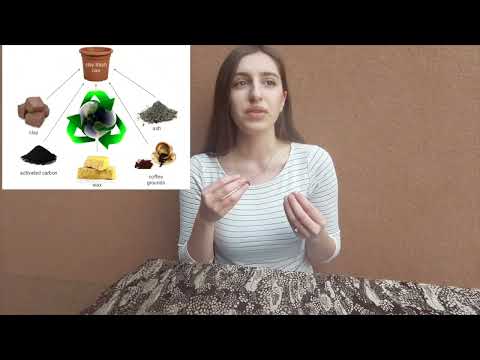
This project develops an odor-absorbing, environmentally friendly garbage bin made from clay, beeswax, and activated carbon. The porous carbon layer captures unpleasant smells, slowing detectable decomposition compared to standard bins. Future work will test waste-derived additives and create new sustainable containers to promote selective waste collection and environmental awareness.

Textile waste in Australia decomposes slowly and releases toxic chemicals. Natural fibres like cotton could be composted, but dyes and treatments hinder breakdown. This PhD develops a new compost-testing method, measures dye impacts, and identifies toxic residues. The work will inform Australia’s first composting standard and help industry choose safer, circular textile dyes.

This research investigates unstable lipid oxidation products called epoxides, tracking how different fatty acids form them across various fats and oils. By improving detection and understanding of these pathways, the project supports better quality control in pet food and other lipid-based industries, helping reduce waste, extend shelf life, and promote sustainable practices.
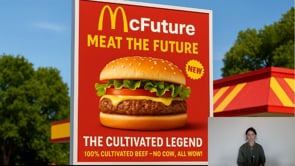
Cultivated meat grows animal cells in bioreactors to produce real meat without slaughter. Although approved in several countries, high production costs limit widespread availability. This research targets the genetic pathways controlling cell growth to improve efficiency and lower costs, aiming to make affordable cultivated meat widely accessible and environmentally sustainable.
This research converts waste heat from high-temperature oil extraction into usable electrical energy. By designing circuits that withstand harsh underground conditions and amplifying low outputs, the system powers real-time monitoring devices along pipelines. The work pioneers sustainable energy harvesting where it has never succeeded before, reducing waste heat and contributing to climate solutions.
Antifreeze chemicals are toxic. This research tests new ice-recrystallization inhibitors that enter embryos easily, cause minimal developmental effects, and prevent damaging ice-crystal growth. These findings could enable long-term genetic preservation and support future ecosystem restoration.
Athabasca tailings wastewater spans over 1.2 trillion litres, growing daily and damaging ecosystems. Current evaporation methods are slow and costly. This research introduces a simple, low-cost device using cotton towels and solar-heated thin-layer evaporation, increasing evaporation by 400%. The approach could help reclaim contaminated land and restore natural habitats.