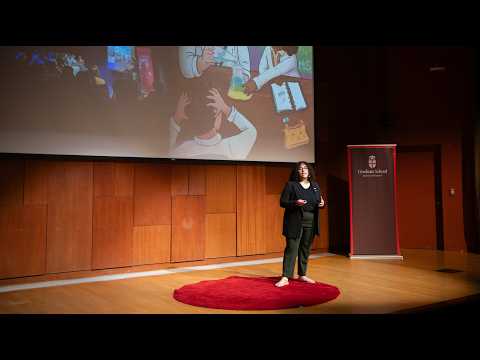
Niall Ashfield investigates how cancer cells develop resistance to treatment. By recreating drug resistance in laboratory-grown cancer cells, his research examines the cellular changes that allow tumours to survive therapy. Identifying vulnerabilities in resistant cells could reveal alternative treatments, improve patient outcomes and support collaborations with pharmaceutical companies worldwide.
Aideen McCabe investigates earlier ovarian cancer detection through improved laboratory cell models and RNA-based biomarkers. Her research aims to identify suitable cell lines, discover potential diagnostic indicators and inform future treatments. Guided by patient partners, the project seeks to translate laboratory discoveries into clinical advances that improve patient outcomes.
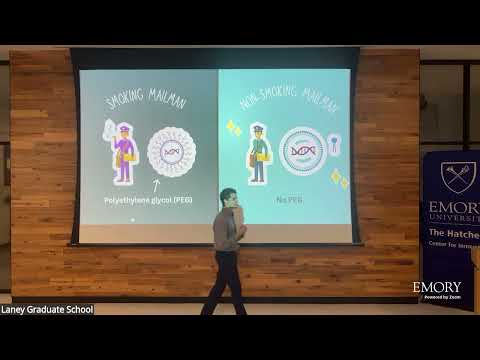
This research develops a novel PEG-free lipid nanoparticle for gene therapy. Unlike conventional nanoparticles, which trigger immune responses after repeated use, the new formulation remains stable without PEG and performs even better. The approach could enable safer repeat dosing, improve treatment effectiveness, and expand access to life-changing gene therapies.
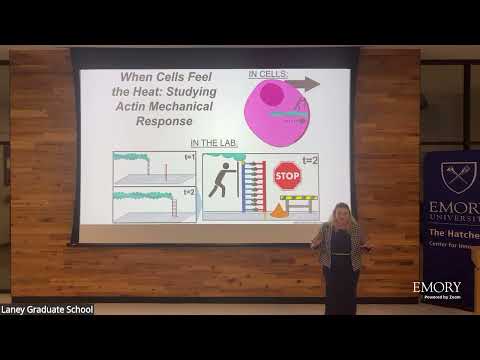
This research investigates how mechanical forces regulate cell movement using a novel DNA-based force probe. By measuring the force required to halt actin growth, it provides new insights into the mechanics of cell migration. The findings could ultimately help develop strategies to prevent cancer metastasis by controlling tumour cell movement.
This research investigates how antiviral drug resistance develops by examining structural changes in viral proteins. Using protein crystallography, it identified why SARS-CoV-2 mutations prevent Paxlovid binding and discovered two compounds capable of inhibiting resistant viruses. The findings could guide development of more effective antivirals against future drug-resistant viral infections.
This research improves drug formulations by developing predictive tools for amorphous solid dispersions that increase drug solubility while allowing higher drug loading in a single tablet. The work aims to reduce pill burden, improve medication adherence, lower pharmaceutical development costs, and make treatments more effective for patients with chronic illnesses.
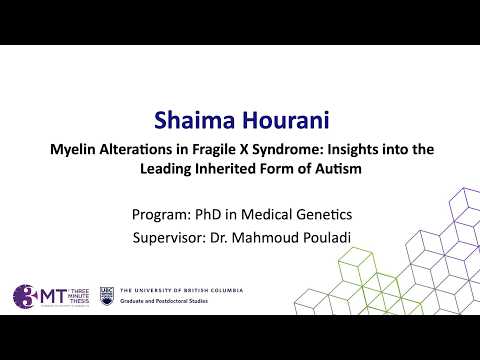
This research investigates the role of oligodendrocytes in Fragile X syndrome, revealing delayed cell maturation and disrupted myelin development. Using human stem cell and mouse models, it identifies these overlooked cells as promising therapeutic targets, potentially enabling earlier and more effective treatments for Fragile X and related neurodevelopmental disorders.
This research seeks blood-based biomarkers that predict which people infected with Chagas disease will later develop life-threatening cardiomyopathy. By analysing immune proteins in blood samples from Bolivia, it aims to enable earlier diagnosis, targeted monitoring, and preventative treatment, offering a model for predicting and preventing many chronic diseases before irreversible damage occurs.
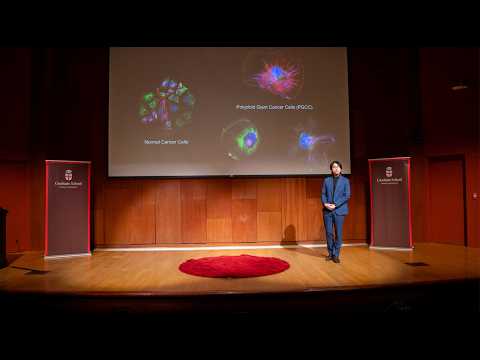
This research investigates polyploid giant cancer cells, a highly treatment-resistant population responsible for cancer relapse. By studying their structural biology and dependence on lipid metabolism, the work identifies metabolic vulnerabilities that can be targeted alongside chemotherapy, offering a promising strategy to eliminate resistant cancer cells and improve long-term treatment outcomes.
This research explores how early-life stress alters the gut microbiome and its communication with the brain, challenging the traditional "leaky gut" theory of anxiety. Using a comprehensive, lifespan-wide approach, it identifies a potential new mechanism that could enable more personalized treatments for patients who do not respond to current anxiety therapies.
Pagination
- Page 1
- Next page