
This research develops an affordable, scalable platform for recording electrical activity from brain organoids. Using innovative basket-shaped sensors made from a low-cost conductive material, the system enables simultaneous recording from dozens of mini-brains, accelerating drug discovery and improving our understanding of brain diseases with more human-relevant laboratory models.
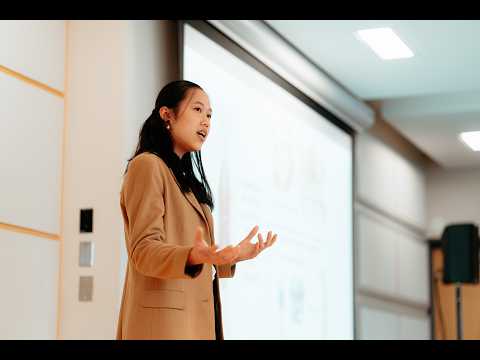
This research develops 3D-printed hydroxyapatite scaffolds that actively stimulate bone regeneration. Unlike traditional bone grafts, these synthetic scaffolds recruit stem cells and encourage new bone formation. Animal studies show promising healing results, raising the possibility of personalised, patient-specific implants that improve recovery from severe bone injuries and defects.

This research develops soft, tissue-like implantable sensors capable of monitoring molecular signals inside the body in real time. By combining high-performance electronics with flexible, biocompatible materials, these devices could detect inflammation, stress, or organ damage before symptoms arise, enabling earlier diagnosis and more personalized healthcare.

2026
This research investigates how glioblastoma brain cancer cells invade healthy brain tissue. Using patient-derived tumor organoids and traction force microscopy, the study measures how cancer cells generate and apply forces to move through the brain. Understanding these invasion mechanisms could help develop therapies that slow tumor spread and improve patient survival.

This research explores asthma by recreating lung airways using 3D bioprinting. By simulating low-oxygen conditions and imaging structural changes, it investigates how exaggerated immune responses narrow airways. These models enable detailed study of disease mechanisms and offer a platform to develop treatments, ultimately advancing efforts toward preventing or curing asthma.
Despite major advances in medicine, wound care has changed little in a century. This research explores how natural electrical signals in injured skin guide healing. By developing devices that mimic these signals, scientists aim to accelerate recovery and improve treatment for chronic wounds through bioelectric control of cellular behaviour.
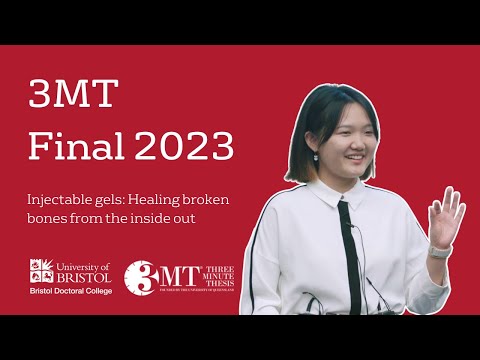
This research develops injectable, enzyme-coated gel beads to treat bone fractures non-invasively. Using lab-on-a-chip technology, the beads trigger clot formation at injury sites, supporting natural healing while providing structural stability. This approach could reduce reliance on surgery, improve recovery outcomes, and address non-healing fractures affecting millions annually.
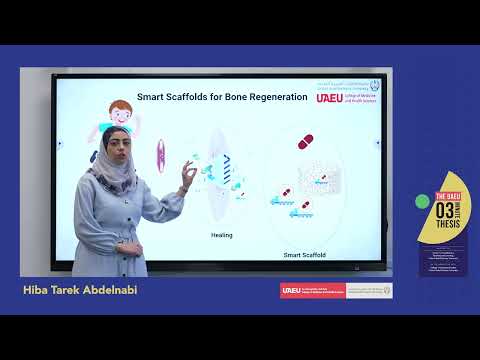
This research develops smart, biodegradable bone scaffolds that guide regeneration in severe fractures. By delivering healing molecules directly to damaged tissue, the scaffolds promote stronger bone growth, reduce inflammation, and eliminate the need for repeated surgeries, enabling faster and more natural recovery in children.

Corneal scarring causes widespread vision loss and is poorly treated by transplantation alone. This research develops a bioengineered corneal glue that both seals and heals wounds by promoting cell infiltration and reducing fibrosis. The approach enables scar-free healing, lowers transplant rejection risk, and offers a regenerative alternative to sutures and conventional sealants.

The speaker investigates why surgical sutures often fail and explores bio-inspired alternatives. Studying freshwater mussels—experts at sticking to wet surfaces—they analyze adhesive proteins to design stronger, water-compatible tissue adhesives. This research aims to create safer, more reliable surgical closure methods that reduce complications, infections, and reliance on traditional suturing.