This research develops a low-temperature carbon-capture material that uses waste heat from solar panels to release captured CO₂. By reducing energy requirements from hundreds of degrees to just 70°C, the technology offers a more sustainable, scalable, and grid-independent approach to carbon capture and long-term climate-change mitigation.
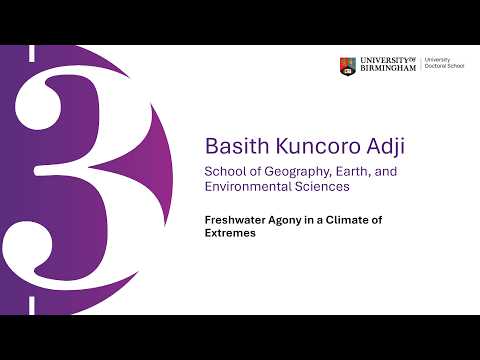
This research investigates how freshwater organisms respond to climate extremes such as warming rivers and drought. Using field surveys, experiments, and modelling, it examines whether species can adapt to higher temperatures and what costs that adaptation may carry. Understanding these limits is crucial for protecting ecosystems, water security, and biodiversity.
Using honeybee communication and disease defense as a framework, this research explores how early warning signals can improve wildlife conservation. By examining indicators of ecosystem health, climate-driven parasite dynamics, and preventative monitoring strategies, it argues that detecting subtle ecological changes early is essential for protecting biodiversity and ecosystem resilience.
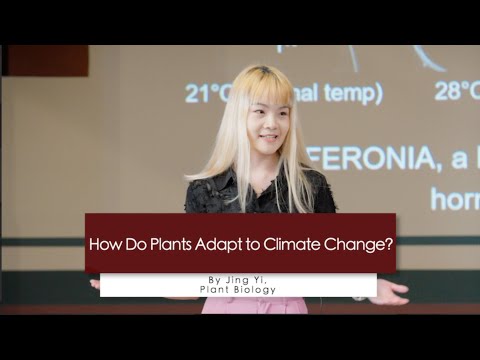
This research investigates feronia, a plant protein essential for heat adaptation. By studying how feronia regulates auxin signaling and plant growth under temperature stress, the work aims to uncover mechanisms that could support the development of heat-resilient crops, improving agricultural productivity and food security in a warming global climate.
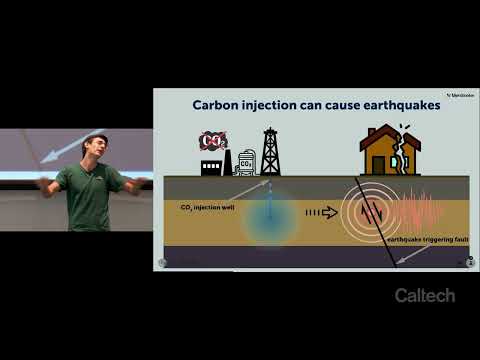
This research investigates earthquake risks associated with underground carbon dioxide storage. By studying seismic activity at the Decatur CO2 storage project, the work improves predictive geological models that account for hidden subsurface structures. The findings aim to make large-scale carbon storage safer, protecting both the climate and nearby communities.
This research investigates how nitrogen pollution influences the reproduction and northward migration of black mangroves under climate change. Increased nitrogen boosts reproduction, potentially accelerating coastal expansion. As mangroves protect shorelines from erosion and storms, understanding these dynamics is crucial for environmental management and climate adaptation strategies.
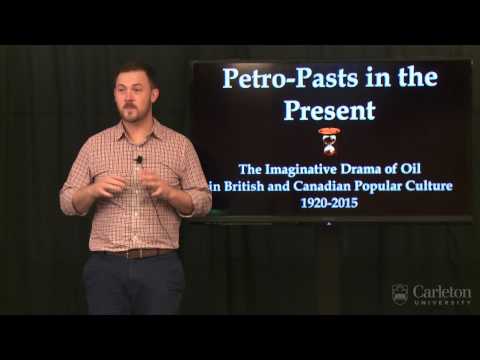
This research examines how historical narratives about oil shape modern energy debates. By analyzing Britain’s early embrace of oil, it reveals how simplified, polarized storytelling obscures complex realities. Understanding these patterns can help Canadians engage more thoughtfully with current energy challenges and make better-informed decisions about future energy systems.
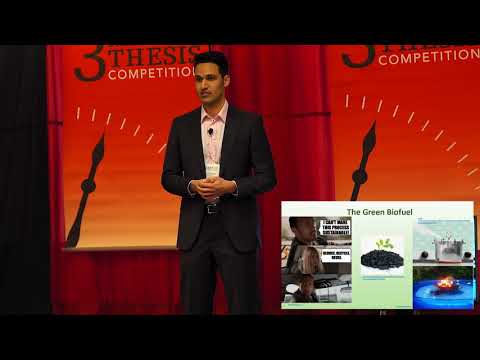
This research develops sustainable solid biofuels using organic waste instead of food crops. By recycling water and catalysts in a high-temperature process, it reduces energy consumption and improves fuel quality. The work addresses key challenges of feedstock and efficiency, advancing environmentally friendly alternatives for heating, power generation, and industry.
This research tackles harmful cyanobacteria blooms that threaten drinking water. Using ceramic membrane filtration, it prevents toxin release by retaining intact cells. Improved cleaning methods with eco-friendly chemicals enhance membrane efficiency and longevity. The work aims to ensure safe water treatment as climate change increases the frequency and severity of algal blooms.
This research explores using solar energy to heat Canadian homes year-round by storing summer heat for winter use. A novel system uses a sand-based thermal battery beneath a house to retain heat. The work aims to reduce fossil fuel dependence and cut emissions from residential heating, a major contributor to Canada’s greenhouse gases.
Pagination
- Previous page
- Page 2
- Next page