
This research explores using solar energy to heat Canadian homes year-round by storing summer heat for winter use. A novel system uses a sand-based thermal battery beneath a house to retain heat. The work aims to reduce fossil fuel dependence and cut emissions from residential heating, a major contributor to Canada’s greenhouse gases.

This research evaluates passive cooling strategies—like reflective roofs and shading—to reduce heat in homes without air conditioning. Using simulations of thousands of combinations under current and future climates, it identifies optimal solutions for cities like Ottawa, aiming to protect vulnerable populations from rising heat risks due to climate change.
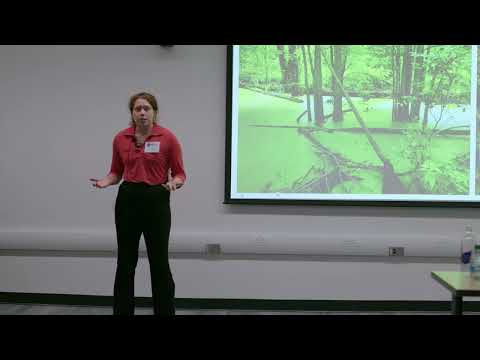
This research investigates methane emissions from restored marshes as a climate solution. While marshes sequester CO₂, their methane output varies widely. By measuring emissions and environmental factors, the study examines how interactions influence outcomes, highlighting that restoration can aid climate mitigation but requires deeper understanding to ensure effectiveness.
This research investigates genetic resistance in pine trees that survive mountain pine beetle attacks. By identifying protective genes and testing them in fast-growing model plants, it reveals how trees defend themselves. The findings support breeding more resilient forests, helping address large-scale ecological damage and ensuring the future sustainability of Western Canada’s forests.
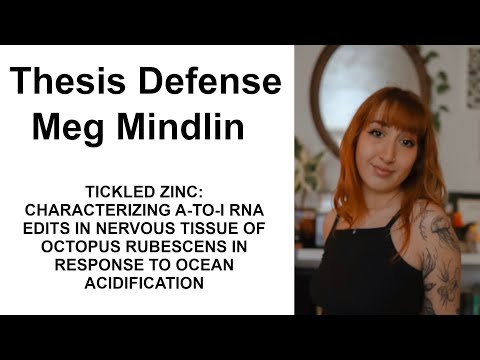
This thesis examines how octopuses respond to climate change at a molecular level, focusing on ocean acidification and RNA editing. Rising temperatures harm octopus reproduction, growth, and survival, while acidification produces mixed effects—some species show stress, yet others demonstrate resilience. Cephalopods overall appear more tolerant of acidification than fish, raising questions about the mechanisms behind this adaptability. Thousands of acidification-responsive edits disproportionately affect C2H2 zinc finger regulators, altering predicted binding targets, including nuclear pore components implicated in stress responses.
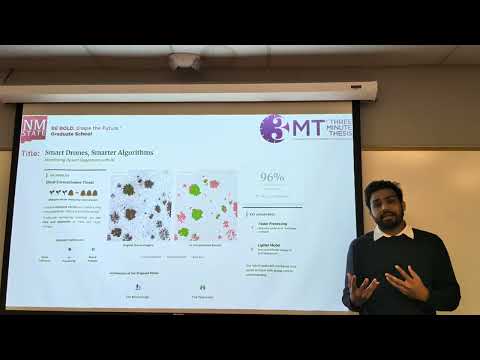
This research uses drone imagery and a hybrid AI model to classify rangeland cover as green vegetation, dead vegetation, or bare soil. Combining two neural network approaches achieved 96% accuracy while requiring only simple, low-cost sensors. The method enables fast, large-scale monitoring to combat invasive shrubs and support sustainable land management.

This project uses hive sound recordings and machine learning to detect early signs of bee swarming. By identifying acoustic differences between swarming and stable colonies, the system predicts swarming with 93% accuracy. This enables beekeepers to intervene early, prevent colony loss, and even create new healthy colonies.
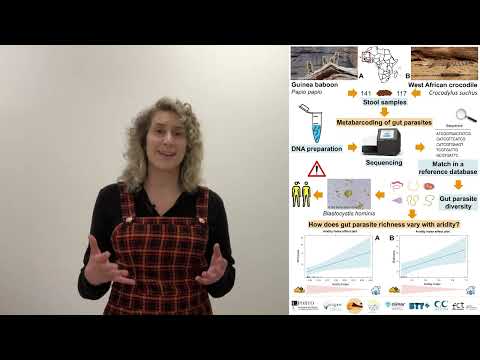
This study examined how intestinal parasite diversity changes with habitat dryness using Guinean baboons and West African crocodiles as models. Through DNA metabarcoding of 258 samples, multiple parasite species—including some zoonotic—were identified. Results showed that parasite richness decreases with increasing aridity, especially in terrestrial hosts, highlighting ecological and public health implications in climate-sensitive regions.
This study examines how early competition influences growth and structure in young mixed forests. Results show that competition strongly affects height, biomass allocation, and species interactions. Managing competition early is crucial for maintaining diversity, reducing dominance, and building climate-resilient forests, making early interventions more effective and cost-efficient.
This study reviews mangroves of the Americas and their vulnerability to climate change. Mangroves are vital carbon sinks, biodiversity hotspots, and coastal protectors, but face threats from deforestation, pollution, and urban expansion. Effective conservation requires ecosystem-based restoration, improved management, and reduced human pressures to ensure long-term resilience.