This research develops synthetic communities of beneficial xylem-inhabiting bacteria to control olive vascular diseases caused by Verticillium dahliae and Xylella fastidiosa. Over 300 bacterial strains were screened for biocontrol traits, and compatible candidates were combined into effective communities. Preliminary plant trials show promising results for sustainable, microbiome-based disease management.
This research examines how climate change affects Phytophthora infestans, the pathogen responsible for potato late blight. By studying pathogen growth, reproduction, and molecular changes under future temperature and CO₂ conditions, the project aims to inform climate-resilient disease management strategies and strengthen global food security.
Gray mold in strawberries is increasingly resistant to fungicides due to genetic mutations. This research identifies resistance levels by testing pathogen samples in the lab, allowing growers to choose effective treatments. Ongoing work analyzes resistance trends and integrates DNA tools to optimize spray programs and reduce waste, ensuring healthier harvests.
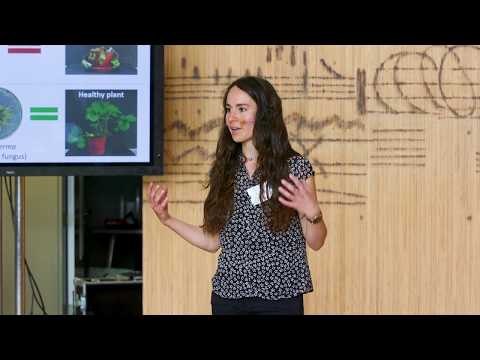
This research investigates Trichoderma fungi as a biological control against Armillaria honey fungus, a major plant pathogen with no effective treatment. Forty Trichoderma strains were tested; seven reduced disease in plants and one prevented infection entirely. These findings suggest plants could be inoculated like a “vaccination” to protect forests, crops, and gardens.