Sunny-day flooding is becoming common in coastal North Carolina. Sensors revealed 65 flood days per year, and water-quality tests showed fecal contamination up to 100× above closure standards. A new computer model tracks how contaminated floodwaters move, helping identify hotspots and supporting safer water-quality advisories and flood-defense planning.

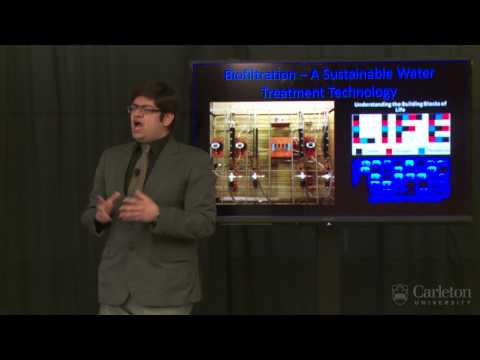
This research examines how microbes in drinking water recover after UV disinfection. By adding nutrients to UV-treated samples and identifying microbes through DNA sequencing, the study tracks which organisms survive, regrow, and thrive over time. The goal is to improve treatment systems and ensure safer, more stable drinking water during distribution.

This research uses agent-based modelling (ABM) to simulate infectious disease spread in regions like Nigeria, enabling policymakers to predict outbreaks, test interventions, and allocate limited resources proactively. The low-cost modelling approach supports governments with constrained budgets and offers a sustainable, data-driven tool for preventing large-scale infections and improving global public health.

This research isolates and characterizes new flavonoids from Colona leonei with promising anti-cancer properties. These compounds selectively target cancer cells while sparing healthy ones. Upcoming tests will assess their effectiveness on cancer cell lines. The work also highlights preventive benefits of flavonoid-rich foods and frames cancer as a global, personal, and societal challenge.

This study tracked viral load in saliva, throat, and nose samples collected daily from newly infected individuals. The findings show each sample type follows a distinct viral-load trajectory, with saliva and throat detecting infection earlier than nose. This has major implications for COVID test accuracy, sampling strategies, and future pandemic preparedness.

Bowel cancer kills thousands each year, and current stool-based screening misses many cases. This PhD develops a new non-invasive method that analyzes human cells shed into stool, aiming to detect normal, pre-cancerous, and cancerous changes more accurately. The goal is a more reliable, higher-participation screening tool that could replace the existing national test.

Adolescent depression is common, severe, and highly recurrent, with risk increasing after each episode. This research studies why some young people relapse while others recover, examining biological stress responses, coping styles, social relationships, and lived experience. The goal is to develop interventions that strengthen long-term resilience and improve mental-health outcomes.

This research aims to solve the major weakness of mRNA vaccines—the need for constant cold storage—by packaging them inside ultra-stable protein “boxes” called encapsulins. These naturally robust containers protect mRNA in extreme environments. A working prototype now exists, offering the potential for globally distributable, freezer-free vaccines that remain effective anywhere.

This research develops protein-based forensic tools to detect meat adulteration in processed foods. By designing species-specific protein biomarkers and using mass spectrometry, the method identifies hidden pork, beef, chicken, or lamb in mixed meat products. The approach supports food safety, religious dietary compliance, allergy protection, and government efforts to combat food fraud.

This study tested whether aerobic exercise can protect vascular function during prolonged sitting. Eleven participants completed exercise and non-exercise conditions. Sitting alone reduced blood vessel function, but exercising beforehand prevented this decline for up to three hours. The findings suggest a brief workout may counteract the cardiovascular risks of extended sitting.