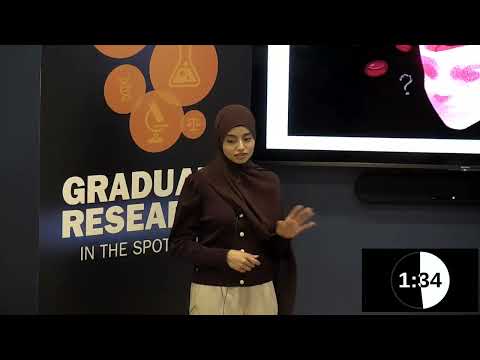
Antibiotic resistance threatens to return medicine to a pre-antibiotic era. This research uses machine learning to study how bacteria balance resistance to antibiotics and bacteriophages. By revealing genetic trade-offs between attack and defense, the work enables smarter combination therapies that exploit bacterial weaknesses and prevent otherwise deadly infections.

This PhD develops and evaluates an intergenerational dance program to address age-based social division. Through reviews, co-design, and pilot testing, it shows dance can reduce ageism and foster connection. A forthcoming feasibility trial will assess impacts on physical activity, social connection, and inclusion.

This research develops a new vision test to improve glaucoma detection, especially in short-sighted individuals. By measuring the smallest rapidly flashing visual stimulus rather than the dimmest, the method better distinguishes glaucoma from myopia, enabling earlier diagnosis, reduced misdiagnosis, and improved outcomes for patients at risk of vision loss.

This research shows that artificial light at night disrupts normal cardiovascular rhythms by altering sleep and feeding patterns. In mice, light exposure flattened heart rate and blood pressure cycles, increasing risk. Restricting food intake to active hours restored healthy rhythms, suggesting timing of eating can protect cardiovascular health.

This research challenges the misconception that hookah smoking is safe. By studying flavors, sugars, and toxicants, it reveals high levels of carcinogens and nicotine, especially harmful to children exposed secondhand. The work combines chemical analysis and community engagement to inform policy, shift behaviors, and protect vulnerable populations.

This research evaluates electronic case reporting (ECR), an automated disease surveillance system that alerts public health agencies as soon as diagnoses are recorded. By analyzing surveillance data and clinician experiences, the work aims to improve outbreak detection speed, accuracy, and usability—helping public health respond earlier and save lives.

Digital health expanded during COVID-19, but many services exclude people seeking support for alcohol and drug use. This research uses inclusive design, interviews, and workshops with people with lived experience to identify barriers, reduce stigma, improve usability, and guide industry toward creating accessible, equitable digital care for all.

PFAS “forever chemicals” contaminate water, food, and air and accumulate in the body, causing serious health risks. This research develops a light-activated porous material that traps and breaks down PFAS molecules. Tested in real-world water and now being scaled up, the method aims to provide a practical, permanent solution for removing PFAS and protecting safe drinking water.

PCBs, toxic “forever chemicals” found in older school buildings, accumulate in body fat and trigger harmful inflammation. This research shows that PCB-exposed fat cells recruit excessive immune cells, creating an uncontrolled inflammatory response that contributes to obesity and diabetes. Understanding this mechanism opens pathways for treatments targeting fat–immune cell communication.

Older adults with severe joint pain often consider cannabis, yet receive little guidance from physicians who lack reliable evidence. This silence pushes patients toward unregulated products and poor medical decisions. The research develops a user-friendly cannabis decision-support tool to empower patients, support clinicians, and enable informed, safe conversations about cannabis use.