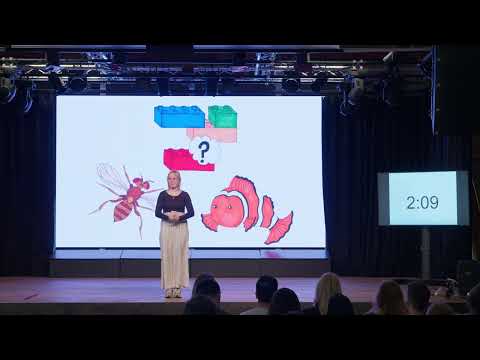
This research uses fruit flies to study the STING immune pathway, revealing how cells detect viral infections. By identifying Nemo as a missing connector protein active only during infection, the work clarifies how immune responses are triggered. These insights may guide future therapies that balance antiviral defense while limiting immune damage.
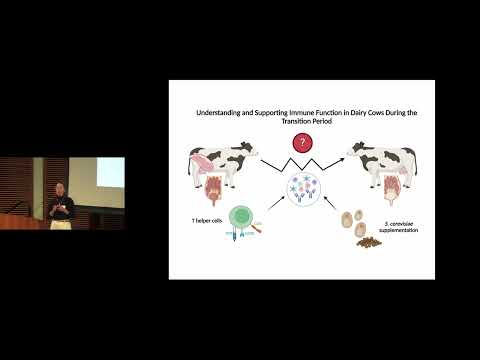
This research examines immune function in dairy cows during the transition from pregnancy to lactation, a period of high disease risk. Focusing on T helper cells, the study shows that yeast supplementation reduces inflammatory activation markers, suggesting a potential strategy to support immune health, improve animal welfare, and reduce disease-related losses in the dairy industry.

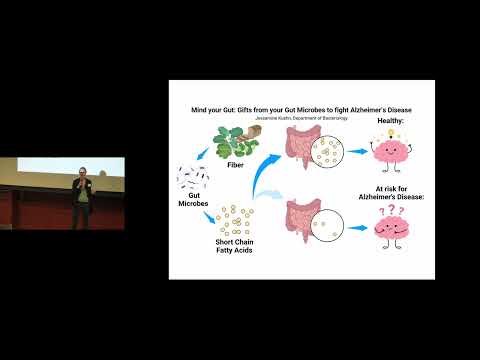
This thesis investigates how gut microbes influence brain health through short-chain fatty acids produced from dietary fibre. Measuring these compounds in stool samples, the research finds lower levels in people at risk for Alzheimer’s disease. The next phase tests whether supplementing short-chain fatty acids can prevent or treat Alzheimer’s in mouse models.

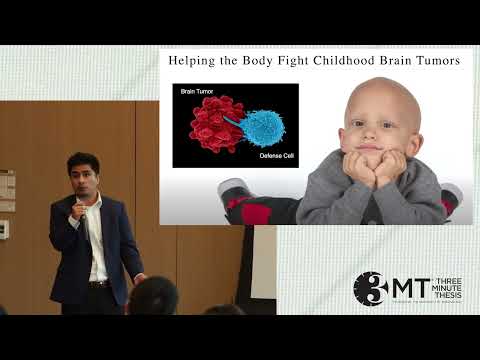
Pediatric brain tumors are the leading cause of cancer-related death in children, and current treatments are often insufficient. This research explores harnessing the immune system, particularly macrophages, to fight these tumors. Using advanced imaging and engineered immune cells, the work aims to improve tumor clearance and develop new therapeutic strategies.

This research shows that doxorubicin disrupts immune signaling between the spleen and heart, priming inflammatory cells that worsen cardiac damage when hypertension develops later in life. Using a two-hit mouse model, the work reveals a heart–spleen axis and identifies immune cells as targets to protect childhood cancer survivors from heart failure.

Chronic diseases exhaust the body’s CD8 T cells, weakening their ability to fight infections and cancer. This research identifies CD7 as a key driver of T-cell exhaustion. Removing CD7 keeps T cells active, boosts cytokine production, and improves control of tumors and viruses—offering a promising new immunotherapy target.

This research investigates how T cells influence microglial behavior in Alzheimer’s disease. Using a mouse model, the study found that removing T cells did not alter amyloid-beta plaques but unexpectedly led to healthier microglial activity and reduced myelin damage. The findings suggest T cells may worsen neurodegeneration and reveal new therapeutic avenues.

This research targets the earliest stage of allergic and asthmatic immune reactions by blocking key cytokine “messages” sent from T cells to B cells. Using drug-discovery techniques, the project identifies compounds that prevent immune overreaction before symptoms begin, aiming to develop a new class of long-lasting preventative allergy and asthma treatments.