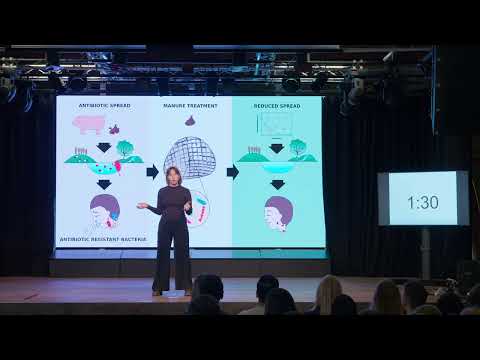
This research investigates how bacteria develop resistance to antibiotics, a growing global health threat. By identifying resistant bacteria and analysing how they chemically modify antibiotics, the work aims to uncover resistance mechanisms. These insights are essential for preserving antibiotic effectiveness and safeguarding treatments against life-threatening infections.
This research investigates COVID-19 stigma among survivors in Nepal during the pandemic. It found that one-quarter experienced discrimination, social exclusion, and psychological distress. Misinformation, weak health-system preparedness, and lack of public trust fuelled stigma. The study argues that future pandemic preparedness must address social stigma alongside healthcare capacity.
This research investigates how microplastics and nanoplastics affect human cells. Using laboratory models that mimic the digestive system, it examines how particle size and concentration influence toxicity. The findings show that smaller particles are more harmful, providing evidence that can inform safety regulations and reduce human exposure to plastic pollution.
Using longitudinal data from 30,000 South Korean children, this study shows that child abuse significantly increases suicidal thoughts, especially with prolonged exposure. Crucially, strong social connections—such as team sports, supportive teachers, and caring neighbors—dramatically reduce this risk, highlighting social interaction as a key source of resilience.
Community health workers help marginalized communities navigate complex health systems but face burnout, low pay, and limited recognition. Through interviews across Colorado, this research reveals how systemic inequities affect CHWs and offers worker-driven recommendations to strengthen programs, policies, and workforce sustainability.
Antibiotic resistance threatens to return medicine to a pre-antibiotic era. This research uses machine learning to study how bacteria balance resistance to antibiotics and bacteriophages. By revealing genetic trade-offs between attack and defense, the work enables smarter combination therapies that exploit bacterial weaknesses and prevent otherwise deadly infections.
This PhD develops and evaluates an intergenerational dance program to address age-based social division. Through reviews, co-design, and pilot testing, it shows dance can reduce ageism and foster connection. A forthcoming feasibility trial will assess impacts on physical activity, social connection, and inclusion.
This research develops a new vision test to improve glaucoma detection, especially in short-sighted individuals. By measuring the smallest rapidly flashing visual stimulus rather than the dimmest, the method better distinguishes glaucoma from myopia, enabling earlier diagnosis, reduced misdiagnosis, and improved outcomes for patients at risk of vision loss.
This research shows that artificial light at night disrupts normal cardiovascular rhythms by altering sleep and feeding patterns. In mice, light exposure flattened heart rate and blood pressure cycles, increasing risk. Restricting food intake to active hours restored healthy rhythms, suggesting timing of eating can protect cardiovascular health.
This research challenges the misconception that hookah smoking is safe. By studying flavors, sugars, and toxicants, it reveals high levels of carcinogens and nicotine, especially harmful to children exposed secondhand. The work combines chemical analysis and community engagement to inform policy, shift behaviors, and protect vulnerable populations.
Pagination
- Previous page
- Page 6
- Next page