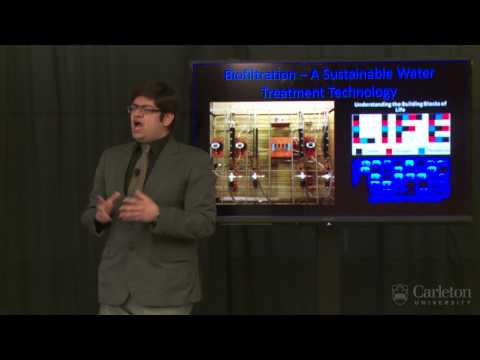
This research explores biofiltration as a sustainable alternative to chemical water treatment. By supplying bacteria with nutrients like nitrogen and phosphorus, it improves removal of harmful organic matter. Results show a 20% efficiency increase, reducing chemical use and risks, and offering a cost-effective solution for safe drinking water worldwide.
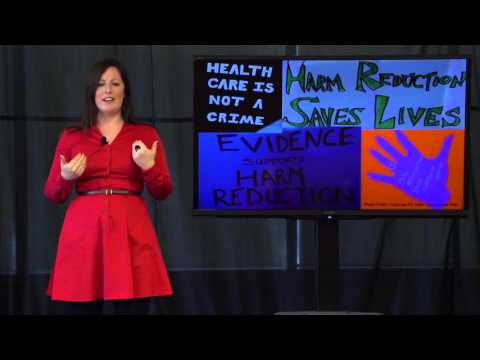
This research examines harm reduction practices and their limitations within systems of prohibition. While designed to support people without judgment, institutional rules and boundaries restrict access. Case studies reveal how these constraints can increase risks, including overdose, highlighting a gap between harm reduction philosophy and real-world implementation.
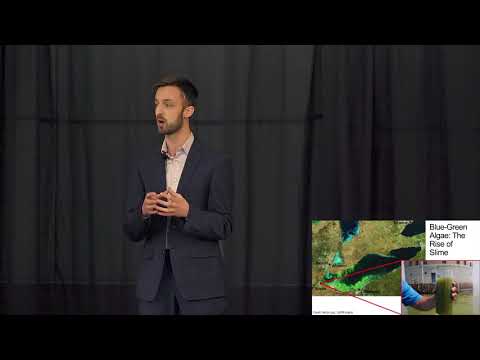
This research tackles harmful cyanobacteria blooms that threaten drinking water. Using ceramic membrane filtration, it prevents toxin release by retaining intact cells. Improved cleaning methods with eco-friendly chemicals enhance membrane efficiency and longevity. The work aims to ensure safe water treatment as climate change increases the frequency and severity of algal blooms.
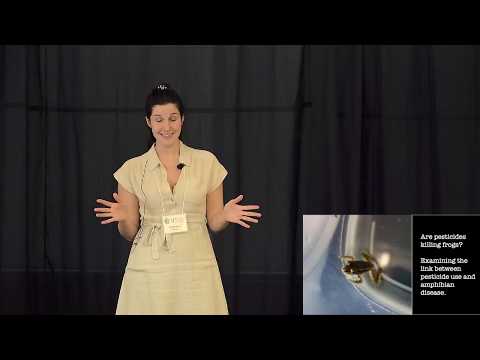
This research examines how neonicotinoid pesticides affect frog immune systems, contributing to amphibian decline. Since frogs naturally control mosquito populations, their loss may increase the spread of diseases like malaria. The study aims to inform regulatory policies by linking pesticide exposure to weakened immunity, disease susceptibility, and broader public health risks.
This research examines how older adults manage indoor environmental conditions while aging in place. It highlights the importance of “adaptive opportunities,” such as adjusting surroundings or behavior, and identifies barriers like mobility and cost. The goal is to develop practical strategies to improve comfort, health, and independence for aging populations at home.
This research evaluates passive cooling strategies—like reflective roofs and shading—to reduce heat in homes without air conditioning. Using simulations of thousands of combinations under current and future climates, it identifies optimal solutions for cities like Ottawa, aiming to protect vulnerable populations from rising heat risks due to climate change.
This research improves combination vaccines by addressing antigen competition using injectable hydrogels that slowly release antigens. This approach produces balanced immune responses to multiple diseases, unlike traditional vaccines. The innovation could reduce the number of shots required, improve global vaccine access, and ensure more effective immunization, particularly in underserved populations.
This research highlights the limitations of current food safety detection and introduces nanoparticle-based smart packaging. These nanosensors detect gases from spoilage and signal safety through colour changes. By replacing guesswork with real-time indicators, this approach could prevent foodborne illness, improve consumer confidence, and modernise food safety in an increasingly technological world.
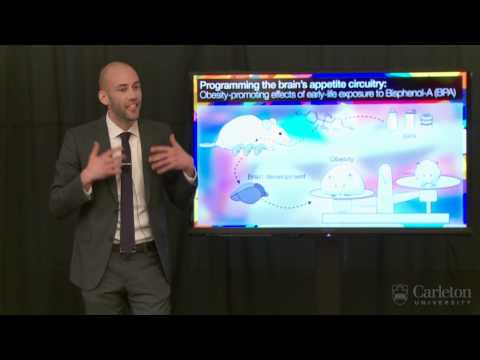
This research challenges the one-size-fits-all approach to obesity by comparing childhood- and adult-onset cases. Through physiological testing before and after weight loss, it examines differences in inflammation, metabolism, and fitness. Findings aim to support personalised treatments, improving patient outcomes and reducing the broader healthcare burden associated with obesity.
This research addresses rural water scarcity in Colombia by developing a household treatment system combining filtration and solar disinfection. Using engineering models, it optimizes flow, pathogen inactivation, and sunlight exposure to ensure reliability. The approach delivers safe, simple, and sustainable water access, reducing disease and improving quality of life in underserved communities.
Pagination
- Previous page
- Page 4
- Next page