
This research investigates the diversity and behaviour of zooplankton around Rangitāhua, Aotearoa New Zealand. By combining microscopy and underwater acoustics, it identifies species and tracks their daily vertical migrations. The findings will improve understanding of marine ecosystems, climate change impacts, and support Ngāti Kuri's stewardship of this culturally significant region.
This research investigates how freshwater organisms respond to climate extremes such as warming rivers and drought. Using field surveys, experiments, and modelling, it examines whether species can adapt to higher temperatures and what costs that adaptation may carry. Understanding these limits is crucial for protecting ecosystems, water security, and biodiversity.

2026
Using honeybee communication and disease defense as a framework, this research explores how early warning signals can improve wildlife conservation. By examining indicators of ecosystem health, climate-driven parasite dynamics, and preventative monitoring strategies, it argues that detecting subtle ecological changes early is essential for protecting biodiversity and ecosystem resilience.

2026
This research develops adaptable machine learning methods for wildlife monitoring using camera trap images. By clustering visually similar animal images, the system dramatically reduces the amount of manual labeling required while maintaining accuracy. The approach could enable faster, large-scale biodiversity monitoring critical for protecting endangered species worldwide.

2026
This research examines how different sea turtle species uniquely shape marine ecosystems through their feeding behaviors. Studying green, loggerhead, and Kemp’s ridley turtles along Florida’s Gulf Coast, the work reveals species-specific ecological functions involving seagrass grazing, sediment mixing, and food web interactions that contribute to ecosystem resilience and coastal conservation.
2026
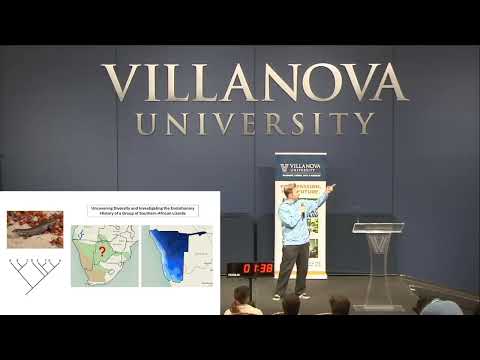
This research investigates whether a population of southern African skinks represents a distinct species using genetic and geographic data. Findings suggest river barriers and environmental gradients may drive speciation. By combining phylogenetics and ecological modeling, the study explores how landscape and climate shape biodiversity and species divergence in lizard populations.
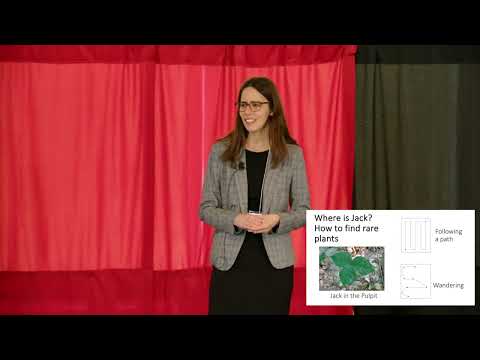
This study compares systematic versus exploratory search strategies for locating rare plants. Surprisingly, both methods performed equally, with low detection overall. Challenges such as navigation difficulty and multitasking may explain the results. The findings highlight the need for improved search methods to better identify and protect rare, threatened plant species.

2025
This research shows that damselfly species lose color variation when living together, adopting distinct colors to avoid misidentification and conflict. Experiments reveal they cannot distinguish species when polymorphic, leading evolution to favor visual divergence. The findings illustrate how natural selection can reduce aggression and promote coexistence between closely related species.
2026
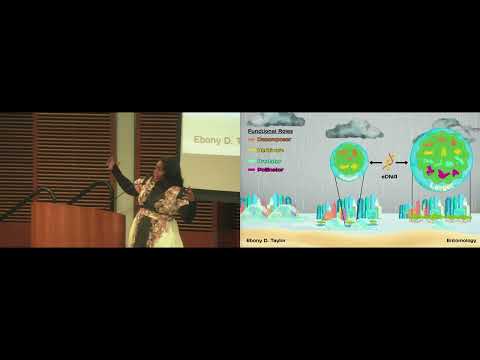
This research investigates whether small mangrove patches can effectively protect coastal areas from hurricanes. Using insect biodiversity and environmental DNA, it evaluates ecosystem functionality across patch sizes. The goal is to identify the minimum viable size for resilient mangrove systems, informing urban planning and improving coastal protection in space-limited environments.
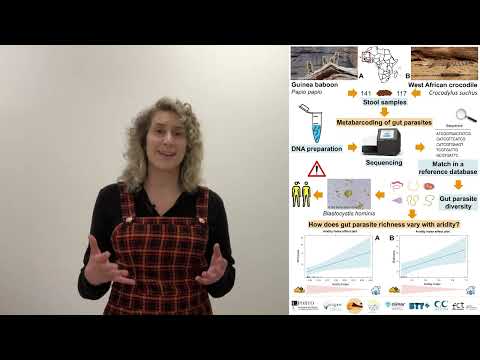
This study examined how intestinal parasite diversity changes with habitat dryness using Guinean baboons and West African crocodiles as models. Through DNA metabarcoding of 258 samples, multiple parasite species—including some zoonotic—were identified. Results showed that parasite richness decreases with increasing aridity, especially in terrestrial hosts, highlighting ecological and public health implications in climate-sensitive regions.