
Using honeybee communication and disease defense as a framework, this research explores how early warning signals can improve wildlife conservation. By examining indicators of ecosystem health, climate-driven parasite dynamics, and preventative monitoring strategies, it argues that detecting subtle ecological changes early is essential for protecting biodiversity and ecosystem resilience.
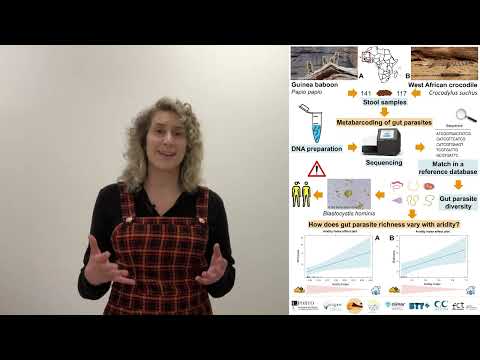

This study examined how intestinal parasite diversity changes with habitat dryness using Guinean baboons and West African crocodiles as models. Through DNA metabarcoding of 258 samples, multiple parasite species—including some zoonotic—were identified. Results showed that parasite richness decreases with increasing aridity, especially in terrestrial hosts, highlighting ecological and public health implications in climate-sensitive regions.

Toxoplasma gondii is a widespread parasite introduced to New Zealand via cats and increasingly threatens native wildlife. This research conducts the first national survey of toxoplasmosis in native birds, identifying infection prevalence, affected organs, and ecological risk factors to better understand its impact on biodiversity.