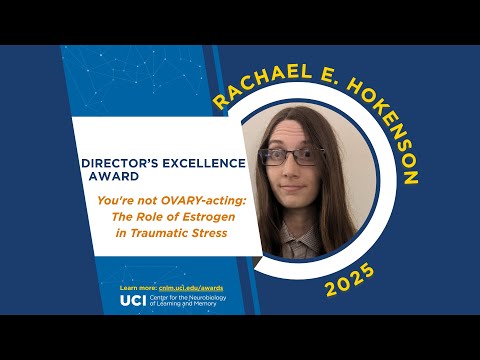
This research investigates why women are more vulnerable to stress-related disorders. Using a mouse model of acute trauma, the study shows that estrogen levels in the hippocampus drive memory disruption after stress. Blocking local estrogen production protects memory, revealing sex-specific mechanisms relevant for targeted treatments.
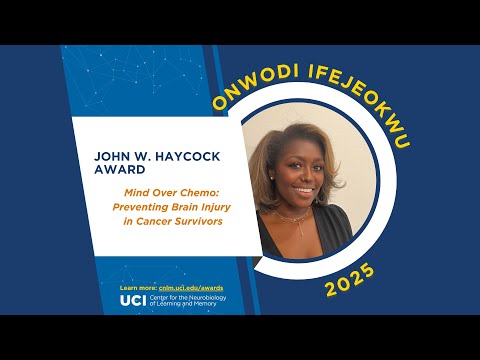
This talk highlights the importance of science communication. Despite the fear of public speaking, sharing research can directly impact lives. A three-minute research presentation led to a pediatric cancer patient receiving treatment, demonstrating how communicating science beyond the lab can translate into real-world benefits.

Type 1 diabetes affects millions worldwide and often begins in childhood, with no cure or prevention. This research uses early-life blood samples and single-cell immune profiling to identify genetic changes in immune cells before disease onset. The findings reveal new biomarkers that could enable early detection, targeted therapies, and future disease prevention.

2025
This research targets muscle stiffness in children with cerebral palsy by breaking down excess collagen in the muscle’s extracellular matrix. Treating muscle tissue with collagenase reduced stiffness by 50% without weakening muscle strength. The findings offer a promising step toward therapies that improve mobility, reduce pain, and enhance quality of life.
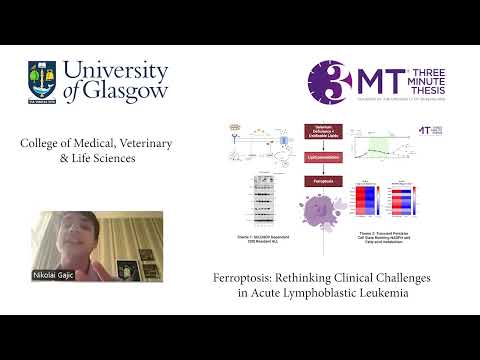
This research links two major treatment challenges in childhood acute lymphoblastic leukemia through ferroptosis, a lipid oxidation process regulated by selenium. By targeting selenium uptake in the brain and after chemotherapy, the work identifies potential new therapeutic strategies to reduce cancer cell survival and improve long-term treatment outcomes.
Respiratory Syncytial Virus (RSV) hospitalises thousands of children each year, yet effective treatments remain unavailable. This research investigates a critical protein–protein interaction that enables RSV infection. By identifying and disrupting key molecular binding sites using AI, the work aims to support the development of targeted antiviral therapies for severe RSV.
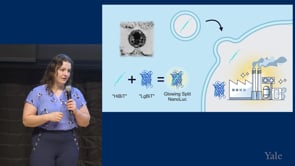
This research develops a rapid, light-based method to study viral fusion, the first step of infection. By applying split NanoLuc technology to HIV, it reveals strain-specific fusion behaviors and unexpected regulatory steps, providing tools that can accelerate responses to future pandemics such as COVID-19.
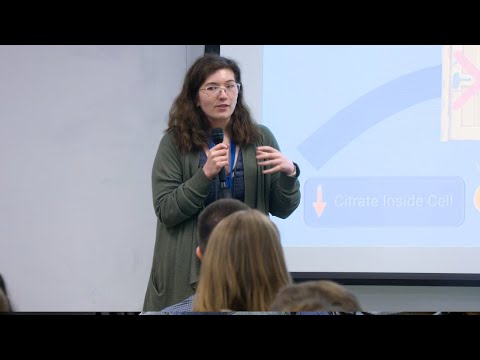
SLC13A5 citrate transport disorder causes severe neonatal seizures due to disrupted citrate balance in the brain. This research uses mouse models to show excess citrate worsens seizures and explores gene replacement therapy to restore transporter function. Early results show reduced seizures, with human clinical trials beginning soon.
This research shows that doxorubicin disrupts immune signaling between the spleen and heart, priming inflammatory cells that worsen cardiac damage when hypertension develops later in life. Using a two-hit mouse model, the work reveals a heart–spleen axis and identifies immune cells as targets to protect childhood cancer survivors from heart failure.
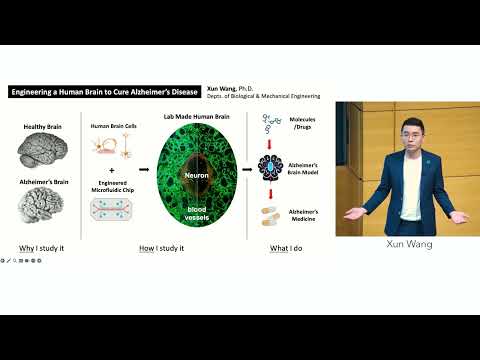
This research develops one of the most advanced human-engineered brain models to better study Alzheimer’s disease and test treatments. Using microfluidic chips containing all key brain cell types, blood-vessel systems, and Alzheimer’s-model neurons, the project enables efficient drug testing, personalised disease modelling, and the possibility of replacing animal testing in the search for a cure.