
This research demonstrates how combining business management and epidemiology can improve hospital infection prevention. Through behavioral interventions, organizational audits, and patient engagement, three initiatives increased hand hygiene compliance by 15%. The work highlights the importance of interdisciplinary thinking, organizational culture, and accountability in creating safer healthcare environments.

This research explores how to improve STI testing uptake within African and Caribbean communities in the UK. Using evidence reviews, interviews, and co-production workshops guided by the ACE framework, the project develops community-informed sexual health interventions designed to increase trust, accessibility, and acceptance of STI testing while reducing stigma and health inequalities.

2026
This research develops a rapid digital PCR workflow to quantify Salmonella contamination in chicken products. Unlike traditional yes-or-no testing, digital PCR measures bacterial levels directly, enabling faster and more accurate food safety decisions within eight hours. The work improves risk assessment, intervention strategies, and prevention of foodborne illness outbreaks.
2026
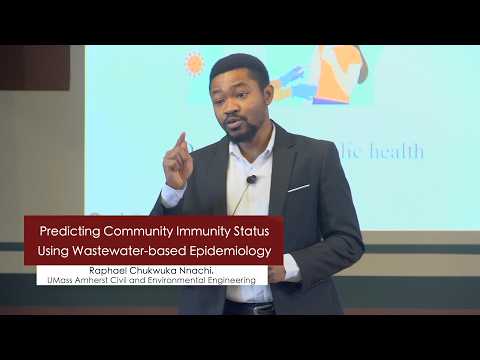
This research uses wastewater-based epidemiology to monitor antibodies excreted by communities, providing early insights into population vulnerability to infectious diseases. By analyzing antibody trends in wastewater over time, the work helps public health authorities identify at-risk communities, allocate resources more effectively, strengthen vaccination strategies, and improve outbreak preparedness.

2026
This study explores anemia as a potential risk factor for dementia, finding that nearly half of dementia patients also exhibit low hemoglobin levels, often undiagnosed. By highlighting links between blood health and cognitive decline, the research advocates earlier detection and a multidisciplinary approach to reduce dementia’s growing societal and healthcare burden.

This research investigates whether thallium exposure from 9/11 dust contributes to long-term memory loss in first responders. By linking biological samples with decades of cognitive data, findings suggest higher exposure increases risk of early Alzheimer’s indicators. The study emphasizes early detection and prevention for those exposed to environmental toxins.
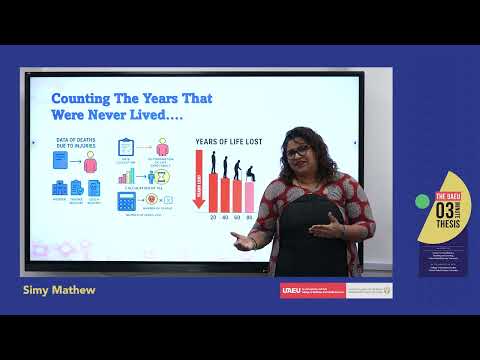
This research quantifies years of life lost due to preventable injuries such as road traffic accidents, falls, and drowning. By identifying injuries with the greatest impact on premature mortality, it aims to guide public health policies toward targeted prevention strategies that save lives.

2025
This research develops a risk-based model to prioritize gallbladder surgery for women with gallstones in high-risk regions. Using ultrasound and clinical data from Chilean women, the model predicts gallbladder cancer risk, enabling life-saving triage, earlier intervention for high-risk patients, and avoidance of unnecessary surgery.

2025
This research uses linked provincial health data to measure the population burden of coeliac disease in Alberta. By identifying diagnosis rates, care gaps, and early-life risk factors, the work informs healthcare planning and policy. The findings highlight rising diagnoses in children and the long-term personal and economic impact of a lifelong, diet-based condition.

As urban living increases, access to green and blue spaces may play a crucial role in pregnancy health. This longitudinal PhD research uses anonymised health records to examine how nearby nature affects maternal mental health and birth outcomes, with evidence suggesting reduced pregnancy complications and important implications for urban planning and public health policy.