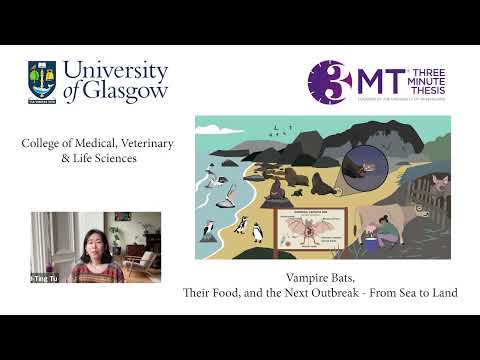
Marine-feeding vampire bats provide a novel way to track how viruses move between wildlife, livestock, and humans. By analysing their feeding history, researchers can trace cross-species disease transmission, including links between ocean-origin viruses and farm animals, offering early warning signs that could help prevent future pandemics.
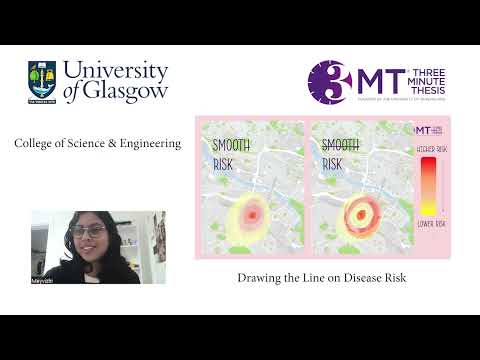
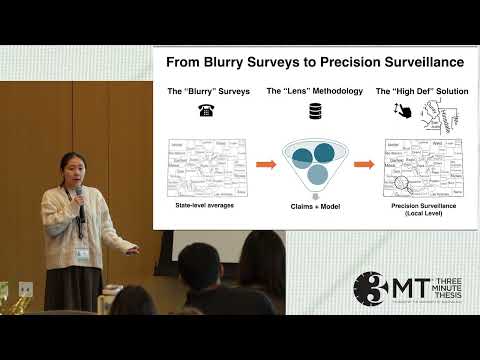
This research improves disease mapping by using mixture modeling to capture sharp spatial differences in health risk. Unlike traditional models that assume smooth patterns, this approach better identifies high-risk areas, enabling more accurate resource allocation, improved public health policy, and reduced health inequalities during disease outbreaks.

This research evaluates electronic case reporting (ECR), an automated disease surveillance system that alerts public health agencies as soon as diagnoses are recorded. By analyzing surveillance data and clinician experiences, the work aims to improve outbreak detection speed, accuracy, and usability—helping public health respond earlier and save lives.

This research reveals Heterobilharzia americana as a widespread, underdiagnosed parasitic threat to dogs in the US Southwest. Testing showed nearly 25% infection rates, often linked to river exposure. The Drake Project raises awareness and seeks prevention strategies to protect dogs from this deadly waterborne parasite.

This research uses agent-based modelling (ABM) to simulate infectious disease spread in regions like Nigeria, enabling policymakers to predict outbreaks, test interventions, and allocate limited resources proactively. The low-cost modelling approach supports governments with constrained budgets and offers a sustainable, data-driven tool for preventing large-scale infections and improving global public health.