This research develops targeted radiopharmaceutical therapies for HER2-positive cancers. By attaching radioactive isotopes to trastuzumab, treatment delivers precise radiation to cancer cells, overcoming drug resistance. The work includes creating practical drug kits and aims to improve cancer outcomes by replacing non-specific therapies with highly accurate, targeted interventions.

2026
This talk traces the devastation of the Black Death to highlight a modern crisis: antibiotic resistance. Misuse of antibiotics accelerates the rise of superbugs. Using AI and machine learning, the research identifies genetic resistance patterns and guides effective treatments, aiming to improve clinical decisions and prevent a return to a pre-antibiotic era.
This research targets rare genetic diseases caused by frameshift mutations using antisense oligonucleotides as “genetic band-aids.” By masking faulty DNA segments, it restores functional protein production. Demonstrated in muscular dystrophy models, this approach offers a scalable strategy to treat multiple rare diseases, addressing a major gap where most conditions lack effective therapies.
This research develops a spatial “GPS” for lung cancer screening by mapping CT scans into a shared coordinate system. By identifying high-risk regions for malignant nodules, it supports radiologists and AI in improving diagnostic accuracy, decision-making, and interpretability, transforming screening from broad search to targeted, data-driven precision.
This research investigates how melanoma switches between two gene states—one fast-growing and treatable, the other slow but highly invasive and responsible for brain metastases. By identifying genes that control this transition, the study aims to force melanoma into a more treatable form, improving therapeutic options and patient outcomes.
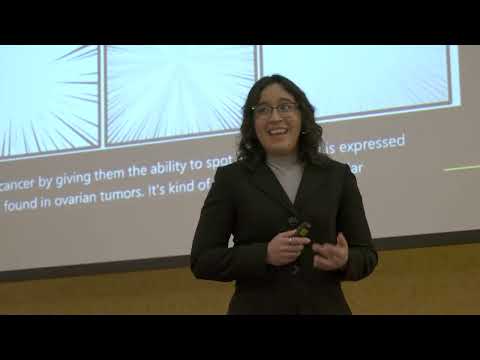
This research engineers immune T cells to better fight ovarian cancer. By modifying them to recognize tumor-specific proteins and resist cancer’s suppressive signals, the project strengthens the body’s natural defenses. The goal is to improve immunotherapy effectiveness, overcome tumor resistance, and increase survival rates for women facing this deadly disease.

This research develops an affordable, rapid genetic testing system to personalize antidepressant treatment. By detecting DNA mutations that affect drug metabolism, the technology helps doctors prescribe the right medication for each patient. The goal is to reduce ineffective treatments and improve mental health care—especially for veterans struggling with PTSD and depression.
Cancer often becomes resistant to treatment due to the protein CDK8, which helps reprogram cancer cells. Traditional inhibitors fail because CDK8 still acts as a structural scaffold. This research develops targeted degraders that use the cell’s recycling system to eliminate CDK8 entirely, preventing resistance and improving future cancer therapies.
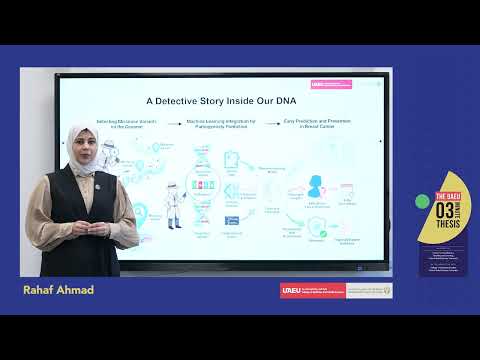
This research applies machine learning to genetic data to distinguish harmless DNA variations from cancer-causing mutations. By treating DNA like a crime scene, the model learns to identify which genetic changes truly drive breast cancer risk, supporting more accurate diagnosis and informed clinical decision-making.
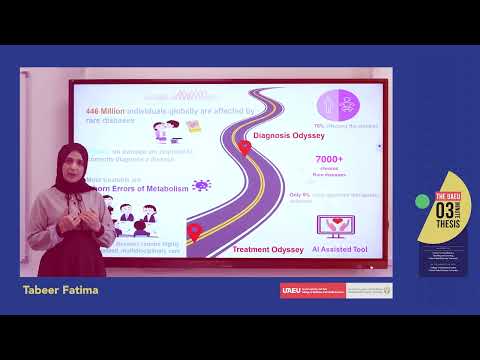
This research uses artificial intelligence to support treatment decisions for rare diseases. By organizing verified medical knowledge into an AI assistant, it helps clinicians and families access reliable guidance, reducing the treatment odyssey and transforming rare-disease diagnoses into clearer, more hopeful care pathways.