This research investigates tularemia, a highly infectious disease caused by Francisella tularensis, and explores a weakened bacterial strain as a vaccine candidate. By studying how the pathogen evades immune defenses, the work aims to enable rapid immune recognition and response, improving protection against both natural infections and potential biothreats.
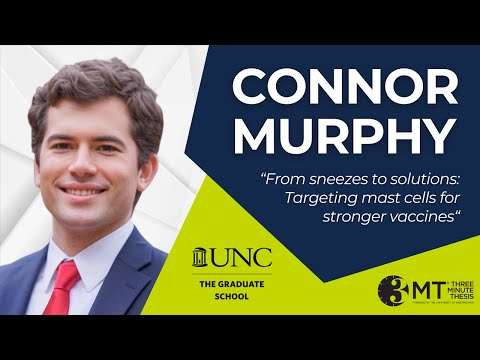
This research explores how mast cells—immune cells responsible for allergy symptoms—can be repurposed to strengthen vaccines. By targeting mast cells with nasal vaccines, stronger and longer-lasting immune responses may be generated, particularly benefiting high-risk populations and improving protection against infectious diseases.
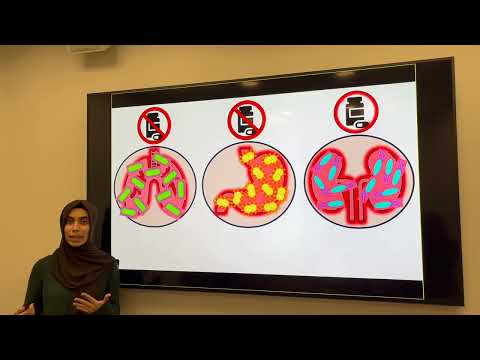
This research investigates how bacteria develop resistance to antibiotics, a growing global health threat. By identifying resistant bacteria and analysing how they chemically modify antibiotics, the work aims to uncover resistance mechanisms. These insights are essential for preserving antibiotic effectiveness and safeguarding treatments against life-threatening infections.
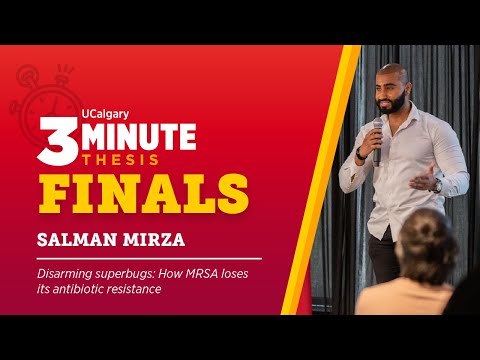
This research investigates how MRSA loses its antibiotic resistance by shedding the SCCmec genetic element. Environmental stressors such as heat and dryness increase this vulnerability, while antibiotics alone reinforce resistance. Understanding these mechanisms could enable new strategies to reverse resistance and improve treatment options for life-threatening MRSA infections.
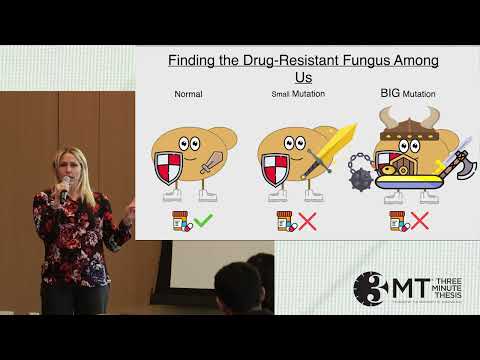
Fungal infections are becoming harder to treat as fungi rapidly evolve resistance to limited antifungal drugs. This research reveals that large, multi-gene mutations—once overlooked—are common in resistant fungi. Understanding these dramatic genetic changes is critical for developing more effective antifungal therapies.
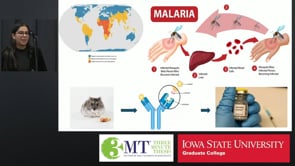
Malaria infects hundreds of millions each year by using the parasite Plasmodium to invade the liver through the CSP protein. This research designs tightly binding antibodies to block infection at its earliest stage, improving vaccine effectiveness and offering a path toward preventing malaria before symptoms begin.
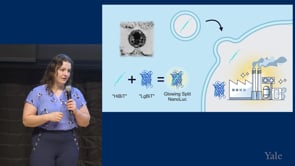
This research develops a rapid, light-based method to study viral fusion, the first step of infection. By applying split NanoLuc technology to HIV, it reveals strain-specific fusion behaviors and unexpected regulatory steps, providing tools that can accelerate responses to future pandemics such as COVID-19.
2025
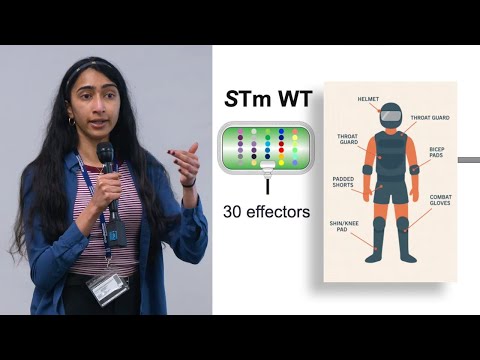
By stripping Salmonella of its molecular “effectors,” this research identifies interferon gamma as a key immune barrier preventing infection. A small set of SPV genes enables the bacterium to overcome this defense. Understanding these mechanisms reveals new targets for therapies against Salmonella, a major global health threat.
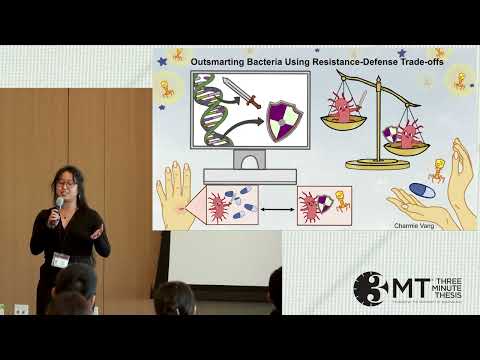
Antibiotic resistance threatens to return medicine to a pre-antibiotic era. This research uses machine learning to study how bacteria balance resistance to antibiotics and bacteriophages. By revealing genetic trade-offs between attack and defense, the work enables smarter combination therapies that exploit bacterial weaknesses and prevent otherwise deadly infections.
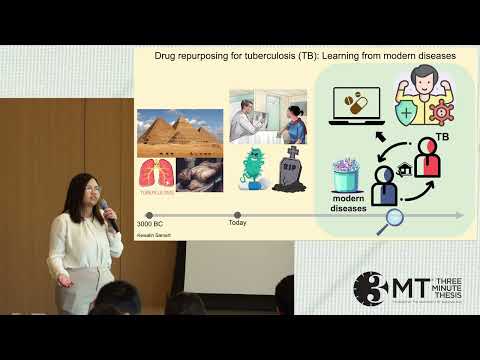
Tuberculosis remains deadly despite relying on decades-old antibiotics. This research uses computational methods to identify immune response similarities between TB and other diseases, enabling drug repurposing. By borrowing already approved treatments, this approach aims to restore immune balance, combat drug resistance, and accelerate the development of new TB therapies.