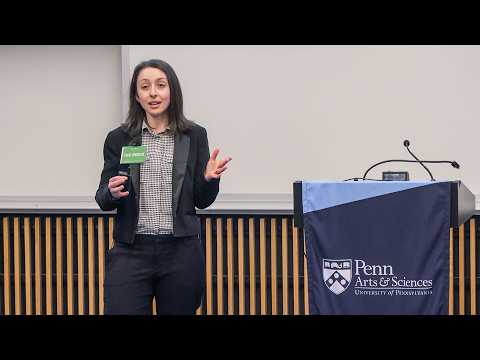
This research examines how prior victim or defendant status influences courtroom outcomes. Using Philadelphia court data, it finds that individuals with dual roles receive different treatment depending on context—leniency as defendants but weaker outcomes as victims. The findings challenge assumptions of neutrality and raise concerns about fairness and consistency in the justice system.
This research examines how trauma-related emotional expression influences police perceptions of victim credibility in sexual assault cases. By testing whether brief trauma education reduces bias, it proposes a low-cost intervention to improve investigative decisions. The goal is to ensure victims are believed based on evidence, not emotional display, promoting justice and accountability.
This study explores barriers faced by school social workers in urban high schools. It finds that systemic factors—particularly funding, policy, and structural constraints—rather than individual or institutional issues, limit service provision. The research highlights the need for systemic reform and improved data to support effective student services.
This research uses differential equations to model how people move between law-abiding life, crime, and incarceration. By simulating rehabilitation, overcrowding, and policy changes, the work shows how prisons can sometimes produce crime—and how evidence-based mathematical models can guide smarter decisions that reduce crime and build safer communities.
Police are increasingly the first responders to mental-distress calls despite minimal mental-health training. Through ride-alongs, interviews and analysis, the research shows people in crisis often receive coercive, criminal-justice responses instead of care. The work calls for major investment in mental-health services and redesigned systems to ensure appropriate, compassionate support.
Pagination
- Previous page
- Page 2