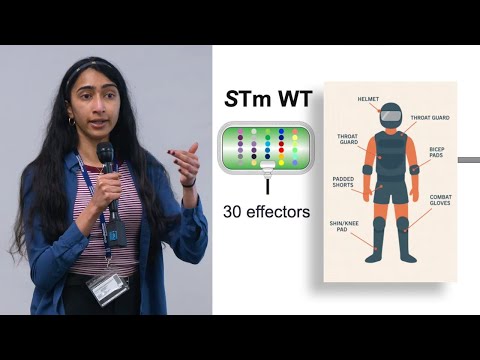
By stripping Salmonella of its molecular “effectors,” this research identifies interferon gamma as a key immune barrier preventing infection. A small set of SPV genes enables the bacterium to overcome this defense. Understanding these mechanisms reveals new targets for therapies against Salmonella, a major global health threat.
Antibiotic-resistant bacteria like Salmonella cause millions of deaths worldwide. This research explores prohibitin 1, a mitochondrial protein, as an alternative defense. Mouse studies show that higher prohibitin 1 levels protect against bacterial infections, offering a potential non-antibiotic treatment to combat infections and reduce antibiotic resistance.
Urban farms in Baltimore need reliable irrigation water. This research tested harvested rainwater for E. coli, Listeria, and Salmonella, and evaluated two treatments: sand–iron filtration and peracetic acid sanitizing. Both reduced E. coli, and sanitizing eliminated Listeria. Produce remained contamination-free, suggesting treated rainwater is a viable supplemental irrigation source.
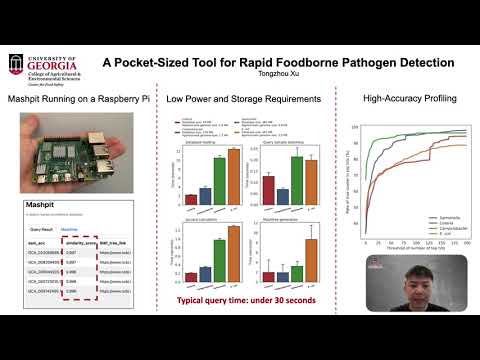
Mashpit is a portable genome-search tool that runs on a Raspberry Pi, enabling rapid, offline screening of Salmonella genomes. Using MinHash sketches, it scans hundreds of thousands of genomes in seconds, offering small or low-resource labs a fast, accessible way to identify related isolates before performing high-resolution follow-up analyses.