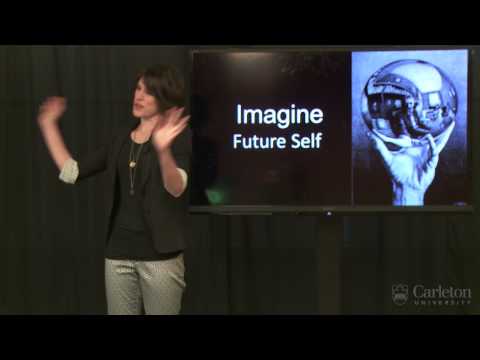
This research explores procrastination by examining how people relate to their future selves. Using guided mental imagery exercises, it aims to strengthen emotional connection with the future self. Improved connection may reduce procrastination, helping individuals make better decisions today to achieve long-term goals and enhance overall well-being.
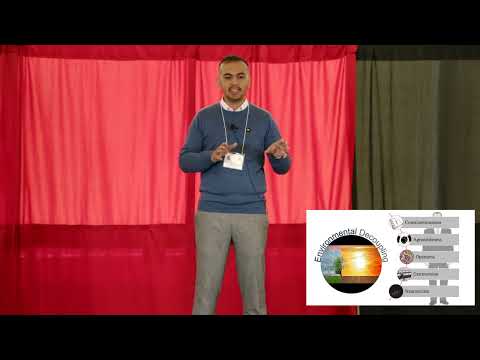
This research examines how CEO personality influences environmental decoupling, where companies misalign environmental claims and actions. Using the Big Five framework and machine learning on CEO communications, it identifies traits linked to such behavior. Findings aim to improve corporate governance by helping stakeholders select leaders committed to genuine sustainability.

AI can improve efficiency in humanitarian aid but risks undermining its moral foundation. Research shows donors perceive AI as lacking empathy, leading to reduced engagement and donations. The key challenge is balancing technological efficiency with human connection, ensuring that innovation supports rather than erodes the trust and compassion that sustain aid systems.

AI can answer religious questions, but it often blends traditions and provides incomplete answers. While specialized models exist, general models like ChatGPT can perform better due to broader training data. The key insight is that theology remains a human, dialogical process—AI should assist, not replace, human judgment and interpretation.

This research shows that pauses in information streams alter decision-making. After a break, the brain increases effort, giving greater weight to subsequent information—a “peak-after-break” effect. A computational model explains this as a performance-effort tradeoff. Findings challenge traditional theories and suggest strategic pauses can shape attention, memory, and judgment.

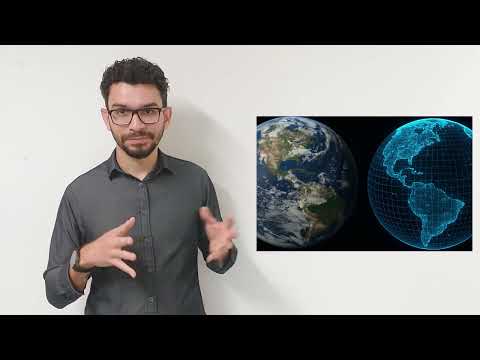
This research explores next-generation digital twins—virtual representations of real-world systems that support decision-making through simulation and AI. By combining decentralization, privacy-preserving architectures, explainable AI, and scenario analysis, the work aims to help individuals and organizations evaluate alternative futures, make informed decisions, and build more transparent intelligent systems.