2015
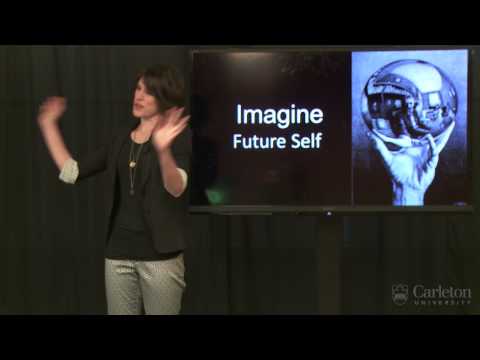
This research explores procrastination by examining how people relate to their future selves. Using guided mental imagery exercises, it aims to strengthen emotional connection with the future self. Improved connection may reduce procrastination, helping individuals make better decisions today to achieve long-term goals and enhance overall well-being.