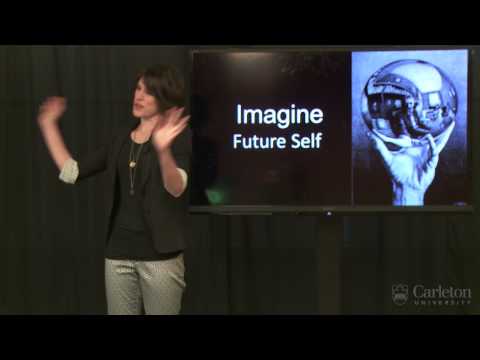
This research explores procrastination by examining how people relate to their future selves. Using guided mental imagery exercises, it aims to strengthen emotional connection with the future self. Improved connection may reduce procrastination, helping individuals make better decisions today to achieve long-term goals and enhance overall well-being.

This research examined whether mental imagery training enhances neural efficiency and performance in basketball free throws. A single imagery session didn’t change EEG activity or performance overall, but higher confidence improved outcomes. Findings suggest imagery may boost performance indirectly through psychological factors, requiring longer or combined training for measurable neural effects.