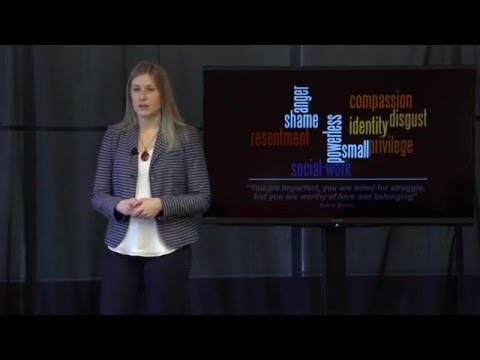
This research examines shame among social work students and its role in burnout. Interviews reveal key triggers: emotional coping struggles, perceived privilege, and societal stigma toward the profession. The findings highlight the need for training programs to address shame, improving well-being and enabling future social workers to better support their clients.

This research highlights high stress levels in creative industries and examines gaps in post-secondary curricula. By analysing course content through project management theory, it identifies missing focus on risk, conflict, and change management. Integrating these skills could foster healthier, more sustainable work environments for future creative professionals across sectors.

Parental rage is common but often misunderstood. Surveying 400 parents, this research finds that 77% experience rage monthly, strongly linked to anxiety, overwhelm, and low support. Mothers, younger parents, and those with high anxiety are most affected. Social support emerges as the key protective factor, reframing rage as a mental-health signal.


Small business owners face high rates of anxiety, burnout and financial stress. This research shows business advisors—accountants, bookkeepers, consultants—can effectively support clients’ mental health when trained. Evaluating a large-scale advisor training program, the study finds advisor-led support improves owner well-being and offers a scalable solution to Australia’s small-business mental-health crisis.