Bumblebees navigate complex environments by using optic flow—the motion of images across their eyes—to estimate speed and detect obstacles. Unlike other insects that rely on lateral optic flow, bumblebees monitor the frontal-lateral field to see hazards earlier. This research reveals how bees avoid collisions and informs bio-inspired flight control.
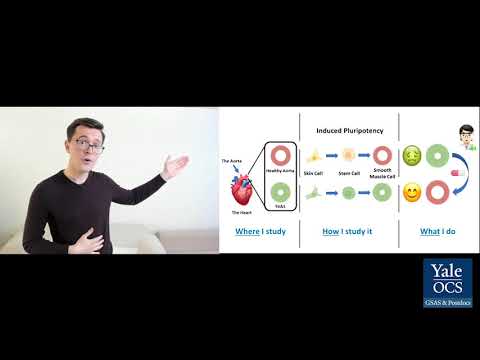
SVAS (Supravalvular Aortic Stenosis) is a rare condition where the aorta loses elasticity, causing dangerous thickening and narrowing. Using stem-cell technology, the researcher converts skin cells into aortic smooth muscle cells to study the disease and test treatments. A promising compound restores elasticity-related structures, offering hope for future therapies and broader disease modelling.

This research investigates whether ballet training can reduce fall risk in older adults. Comparing dancers to non-dancers during unexpected slips, ballet-trained participants showed better stability, faster muscle responses, and fewer falls. The project aims to develop a validated ballet-based fall-prevention syllabus that could significantly improve independence and reduce healthcare costs.