
This research investigates how New Zealand's childhood vision screening programme can better detect and treat vision problems. By trialling more frequent and accurate screening alongside fully funded school-based eye examinations, the project aims to improve eye-care access, reduce inequalities, inform national policy, and ensure every child has the opportunity to see clearly.

2026
This research examines how beneficial ownership registers can expose corruption in public procurement. By analyzing data quality, corruption adaptation strategies, and ownership complexity, it shows how gaps and missing data can be used to detect fraud and design smarter anti-corruption efforts, ensuring public funds reach essential healthcare.
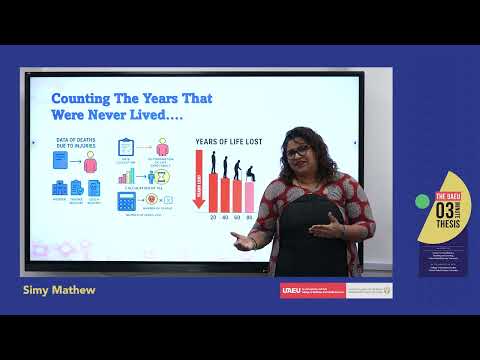
This research quantifies years of life lost due to preventable injuries such as road traffic accidents, falls, and drowning. By identifying injuries with the greatest impact on premature mortality, it aims to guide public health policies toward targeted prevention strategies that save lives.
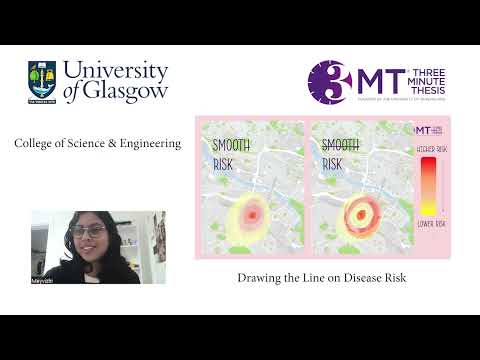
This research improves disease mapping by using mixture modeling to capture sharp spatial differences in health risk. Unlike traditional models that assume smooth patterns, this approach better identifies high-risk areas, enabling more accurate resource allocation, improved public health policy, and reduced health inequalities during disease outbreaks.
This research investigates COVID-19 stigma among survivors in Nepal during the pandemic. It found that one-quarter experienced discrimination, social exclusion, and psychological distress. Misinformation, weak health-system preparedness, and lack of public trust fuelled stigma. The study argues that future pandemic preparedness must address social stigma alongside healthcare capacity.
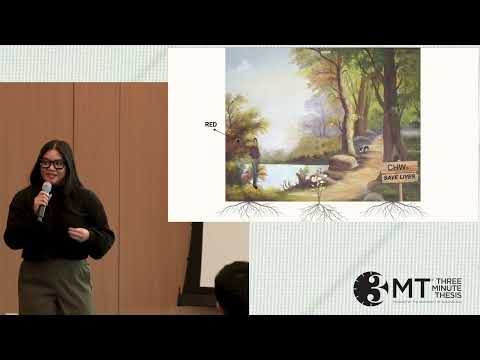
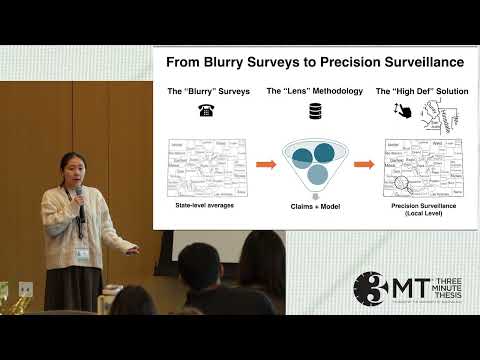
Community health workers help marginalized communities navigate complex health systems but face burnout, low pay, and limited recognition. Through interviews across Colorado, this research reveals how systemic inequities affect CHWs and offers worker-driven recommendations to strengthen programs, policies, and workforce sustainability.

2025
This research measures efficiency in Irish public acute hospitals using an efficiency frontier model. Results show significant cost, technical, and allocative inefficiencies, indicating billions in potential savings. Even a 1% improvement in efficiency could save €70 million annually while maintaining patient care levels.
2025
This research examines depression screening practices among physiotherapists treating back pain. Findings show screening is rare, indirect, and hindered by stigma, time pressure, and system constraints. The work highlights the need for validated tools, training, and policy change to normalise mental health screening and improve patient safety.
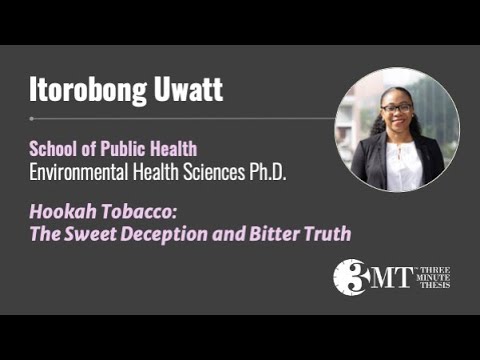
This research challenges the misconception that hookah smoking is safe. By studying flavors, sugars, and toxicants, it reveals high levels of carcinogens and nicotine, especially harmful to children exposed secondhand. The work combines chemical analysis and community engagement to inform policy, shift behaviors, and protect vulnerable populations.