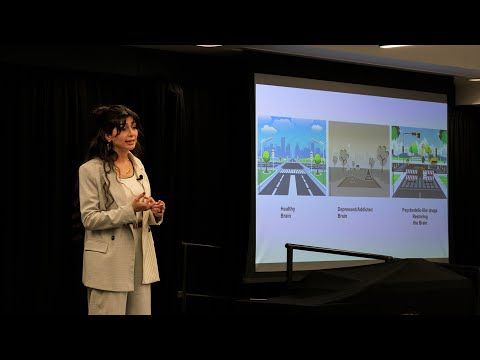
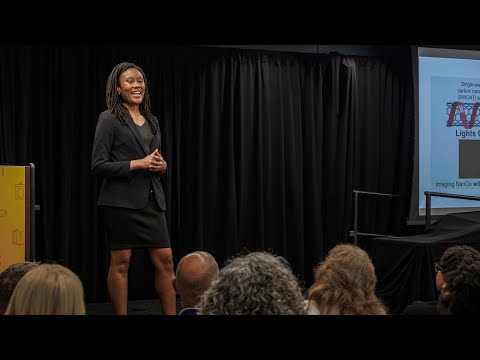
This research develops automated tools to identify psychedelic-inspired compounds that restore lost neural connections associated with depression, anxiety, and addiction. Using advanced imaging and custom analysis software, the project screens potential therapeutics that promote neuronal growth, aiming to create treatments that repair brain circuitry rather than simply managing symptoms.
This study explores how mindfulness can support student-athlete well-being in high-pressure sporting environments. Through interviews, course analysis, and coaching reflections, the research found that mindfulness strengthens personal agency, emotional regulation, and holistic self-identity. The findings informed the development of a mindfulness-based curriculum for athletes and coaches.
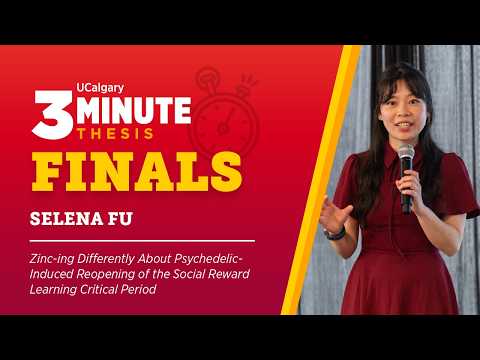
This research investigates whether zinc plays a critical role in the ability of psychedelic drugs to reopen social reward critical periods in the brain. Using mouse models, the study examines how zinc influences social behavior following psychedelic treatment, potentially revealing mechanisms of brain plasticity relevant to autism, social anxiety, and social connection.
This thesis examined how adverse childhood experiences (ACEs) affect mental health and brain development. Using data from the ABCD Study, the researcher found that ACEs were linked to both mental health symptoms and a thicker prefrontal cortex. The findings suggest the brain may adapt to adversity, highlighting new questions about resilience.
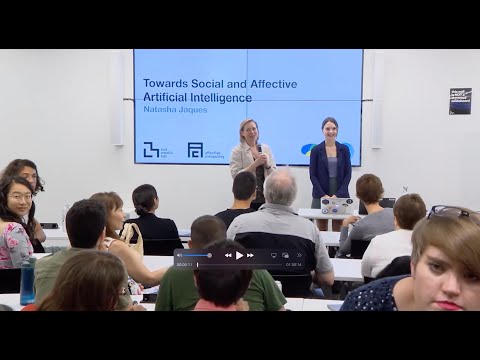
This PhD defense presents research at the intersection of machine learning, reinforcement learning, social learning, affective computing, and human-AI interaction. The thesis is that social learning is a powerful mechanism for intelligence and explores how AI agents can learn from one another and from humans. Projects include intrinsic social influence rewards for multi-agent coordination, communication protocols emerging through influence, conversational agents trained from implicit human feedback such as sentiment, generative models improved through facial-expression feedback, and personalized well-being prediction from behavioral and physiological data. The thesis concludes that socially informed learning can improve coordination, adaptability, and human alignment.
This research examines whether integrating yoga into university curricula can improve student well-being and academic success. Through a credit-bearing freshman seminar combining yoga practice, meditation, and coursework, the study evaluates changes in holistic well-being and academic performance, aiming to address the growing mental and physical health challenges facing students.
This research investigates how communication between the heart and brain influences cognition and mental health. By studying heart rate variability, vagus nerve activity, and neural oscillations, it reveals a direct effect of heart rhythms on brain function, offering new insights into schizophrenia, mental illness, and body-based therapeutic interventions.
This research examines how alcohol affects the severity and outcomes of suicide attempts among military service members and veterans. By analyzing documented attempts and personal narratives, the study reveals that alcohol often increases impulsivity and lethality, while occasionally interrupting attempts unintentionally, highlighting the need for alcohol-aware suicide prevention strategies.
This study examines prejudice toward asexual individuals by analyzing links with social dominance orientation, traditional gender roles, and moral disengagement. Surveying 300 participants, it finds all three traits predict higher prejudice. The research advances understanding of bias mechanisms and informs future interventions to reduce discrimination against asexual individuals.
Infertility affects one in six adults and carries profound emotional, psychological, and social burdens often overlooked in medical care. This research evaluates a four-week yoga intervention for individuals undergoing IVF, aiming to reduce anxiety and depression while improving quality of life, addressing the unmet psychosocial needs of those experiencing infertility.
Pagination
- Previous page
- Page 2
- Next page