
This research challenges the long-standing assumption that brain regions causing no errors during awake brain surgery are functionally unimportant. By measuring subtle delays in speech rather than errors alone, it introduces causal parametric mapping, offering surgeons a more sensitive way to preserve language function and improve patient outcomes.

2025
This research has developed a five-minute smartphone memory test that detects subtle cognitive changes associated with early Alzheimer's disease. The tool identified symptom-free individuals with underlying disease and predicted future cognitive decline, outperforming expensive brain scans while offering a simple, accessible, and affordable approach to early diagnosis.

2025
This research developed NanoX, a nanoscale fluorescent sensor that images oxytocin release from individual neurons in real time. By revealing patterns of brain chemistry associated with mental health disorders, the technology could enable earlier diagnosis, improve understanding of neurochemical signaling, and support both preventive and personalized mental healthcare.
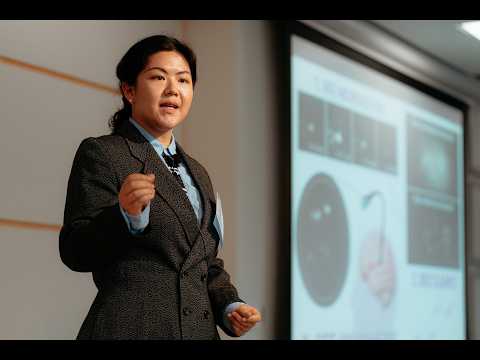
This research develops advanced optical imaging technology to observe neurons firing in real time throughout the brain. By combining high-speed microscopy with flexible fibre-optic image relays, the system overcomes the challenge of light scattering, enabling clearer recordings of neural activity and deeper insights into brain function.

2025
This research develops automated tools to identify psychedelic-inspired compounds that restore lost neural connections associated with depression, anxiety, and addiction. Using advanced imaging and custom analysis software, the project screens potential therapeutics that promote neuronal growth, aiming to create treatments that repair brain circuitry rather than simply managing symptoms.

2026
This research investigates whether zinc plays a critical role in the ability of psychedelic drugs to reopen social reward critical periods in the brain. Using mouse models, the study examines how zinc influences social behavior following psychedelic treatment, potentially revealing mechanisms of brain plasticity relevant to autism, social anxiety, and social connection.

2026
This thesis examined how adverse childhood experiences (ACEs) affect mental health and brain development. Using data from the ABCD Study, the researcher found that ACEs were linked to both mental health symptoms and a thicker prefrontal cortex. The findings suggest the brain may adapt to adversity, highlighting new questions about resilience.

2026
This neuroscience study investigated why time sometimes feels longer than it really is. By replacing simple geometric shapes with animal images, the researcher tested whether arousal or novelty drives temporal dilation. Results supported the oddball effect, showing that stimulus change, rather than emotional significance, was the primary factor influencing perceived duration.

This research investigates how communication between the heart and brain influences cognition and mental health. By studying heart rate variability, vagus nerve activity, and neural oscillations, it reveals a direct effect of heart rhythms on brain function, offering new insights into schizophrenia, mental illness, and body-based therapeutic interventions.

This research applies fluid mechanics, numerical simulations, and machine learning to model the brain’s waste-clearance system during sleep. By investigating how fluid moves through brain tissue and how aging or injury affect this process, the work aims to identify strategies for preventing or slowing neurodegenerative diseases such as Alzheimer's.