Year
2025
Summary

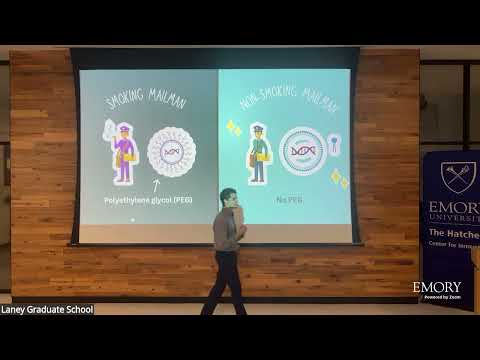
This research develops hybrid lipo-polymeric nanoparticles that overcome major limitations of current mRNA vaccine technology. The particles can be freeze-dried, rapidly loaded with mRNA, and simultaneously deliver therapeutic drugs. Their flexibility improves vaccine storage and distribution while enabling powerful combination therapies, including enhanced cancer treatments with improved survival in preclinical models.

Organisation
Year
2026
Summary

This research develops microscopic copper wire "bridges" that improve heat transfer between computer chips and cooling systems. By reducing chip temperatures by around 3°C, the technology can lower data centre cooling energy by approximately 10%, improving efficiency and supporting more sustainable AI infrastructure.

Year
2025
Summary

This research developed NanoX, a nanoscale fluorescent sensor that images oxytocin release from individual neurons in real time. By revealing patterns of brain chemistry associated with mental health disorders, the technology could enable earlier diagnosis, improve understanding of neurochemical signaling, and support both preventive and personalized mental healthcare.


Organisation
Year
2025
Summary

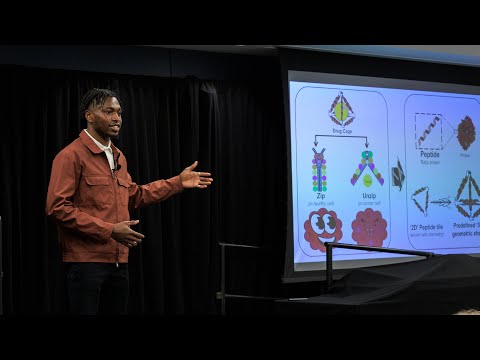
This research engineers peptide-based "drug cages" that assemble like molecular zippers to deliver medicines only at their intended target. Inspired by natural protein structures, these programmable nanostructures could dramatically reduce chemotherapy side effects by releasing drugs precisely where needed, improving treatment effectiveness while protecting healthy tissues.

Organisation
Year
2026
Summary

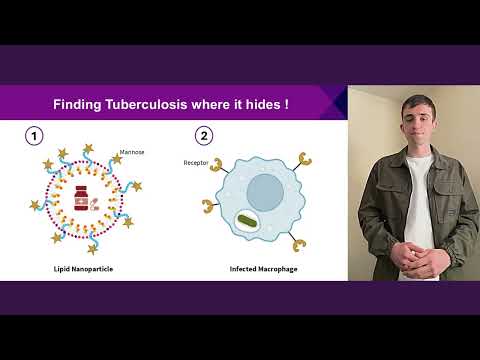
This research develops targeted lipid nanoparticle delivery systems to improve tuberculosis treatment and vaccination. By replacing PEG coatings and using mannose to target infected macrophages, it aims to deliver drugs more effectively, reduce treatment duration, improve vaccine performance, and contribute to the global elimination of tuberculosis.

Organisation
Year
2026
Summary

This research develops innovative three-dimensional "daisy" particle structures to improve inhaled medicines. Using Isothermal Dry Particle Coating, it prevents fine drug particles from clumping, ensuring they reach the lungs effectively. The work aims to improve inhaler performance and treatment for the 300 million people worldwide living with respiratory diseases.

Organisation