This research combines foam fractionation and ultraviolet treatment to permanently remove PFAS "forever chemicals" from contaminated water. By first concentrating PFAS into foam and then destroying their strong carbon–fluorine bonds with UV-generated reactive species, the approach offers a more efficient and sustainable alternative to conventional treatment technologies.
2026
This research investigates how the shape, size, and surface chemistry of carbon nanomaterials influence their ability to remove contaminants from complex wastewater. By systematically testing nanomaterial variations against pollutants such as microplastics and petroleum derivatives, it aims to establish design rules that enable more effective, real-world water treatment technologies.

2026
This research uses freshwater mussels as bioindicators to investigate water quality in Darby Creek. Community science data revealed links between elevated chloride pollution, likely from road salt, and declining mussel populations. The discovery of a healthy mussel population highlights both the importance of local monitoring and opportunities for targeted watershed restoration.

2026
This research investigates phosphorus pollution in Lake Warner by comparing water movement and phosphorus transport through urban and forested landscapes. Forests naturally filter phosphorus due to slower water travel and greater infiltration, while urban runoff accelerates pollution. The study identifies how interventions such as rain gardens can reduce phosphorus loading into lakes.
2025
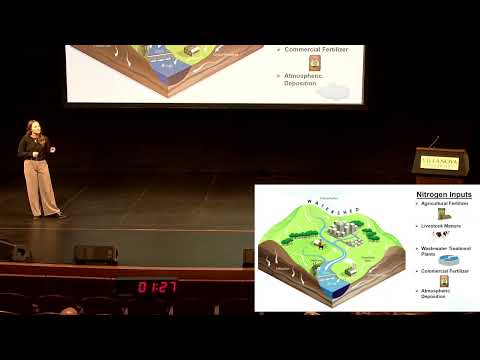
This study investigates how streams retain “memory” of nitrogen pollution from past land use. Using long-term data, it identifies a 3–5 year lag between nitrogen inputs and water quality impacts. It highlights the role of forests as natural filters and emphasizes managing both current and historical pollution to protect water supplies.
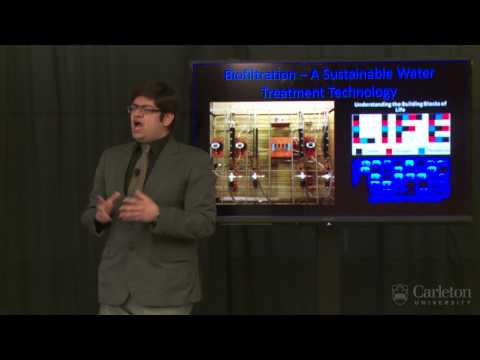
This research explores biofiltration as a sustainable alternative to chemical water treatment. By supplying bacteria with nutrients like nitrogen and phosphorus, it improves removal of harmful organic matter. Results show a 20% efficiency increase, reducing chemical use and risks, and offering a cost-effective solution for safe drinking water worldwide.

This research tackles harmful cyanobacteria blooms that threaten drinking water. Using ceramic membrane filtration, it prevents toxin release by retaining intact cells. Improved cleaning methods with eco-friendly chemicals enhance membrane efficiency and longevity. The work aims to ensure safe water treatment as climate change increases the frequency and severity of algal blooms.
2026
This research investigates how microplastics and nanoplastics affect human cells. Using laboratory models that mimic the digestive system, it examines how particle size and concentration influence toxicity. The findings show that smaller particles are more harmful, providing evidence that can inform safety regulations and reduce human exposure to plastic pollution.

This research develops a membrane-based wastewater treatment system that selectively supports nitrogen-removing bacteria without energy-intensive aeration or added organic matter. By enabling efficient biological nitrogen removal, the approach reduces greenhouse gas emissions, lowers costs, and makes advanced wastewater treatment more accessible—protecting aquatic ecosystems and water quality.

This research examines how microbes in drinking water recover after UV disinfection. By adding nutrients to UV-treated samples and identifying microbes through DNA sequencing, the study tracks which organisms survive, regrow, and thrive over time. The goal is to improve treatment systems and ensure safer, more stable drinking water during distribution.