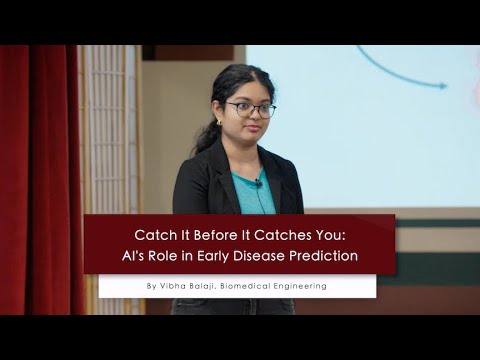
This research uses artificial intelligence to predict the progression of Alzheimer’s disease and cancer using medical imaging data. By analyzing brain scans, tumor scans, and treatment responses, AI models can forecast disease development and treatment outcomes, enabling earlier intervention, more personalized care, and improved quality of life for aging populations.
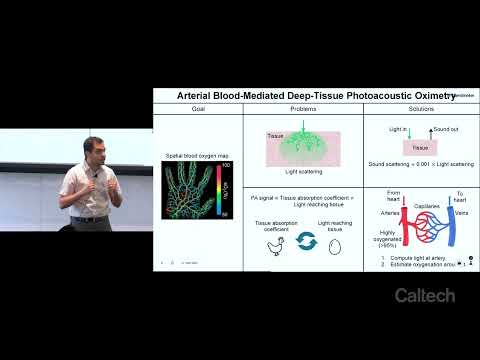
This research improves photoacoustic imaging, a technique that uses light-generated sound waves to visualize tissue oxygenation deep inside the body. By calibrating measurements using highly oxygenated arterial blood, the method overcomes longstanding accuracy limitations and avoids skin-tone bias, potentially improving early tumor detection and non-invasive monitoring of tissue health.
This research challenges the one-size-fits-all approach to obesity by comparing childhood- and adult-onset cases. Through physiological testing before and after weight loss, it examines differences in inflammation, metabolism, and fitness. Findings aim to support personalised treatments, improving patient outcomes and reducing the broader healthcare burden associated with obesity.
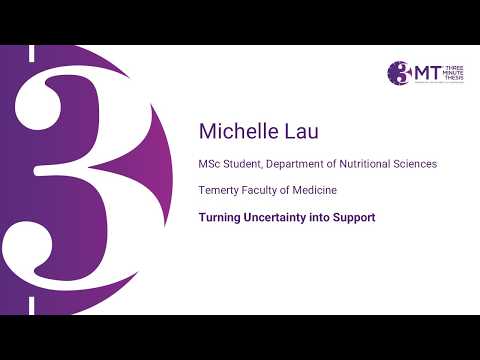
This research examines the overlap between IBS and eating disorder–like behaviours, where conflicting dietary advice creates clinical uncertainty. By interviewing patients and providers, it identifies two distinct groups based on motivation for food restriction. The goal is to develop tools that improve nutrition counselling and support better, safer patient care.
Pagination
- Previous page
- Page 2